

All-on-6 Dental Implants Recovery Timeline: Healing Week by Week
If you're considering All-on-6 dental implants, chances are you don't care much about the technical side of oral surgery. You want the real answer. When can I eat a normal meal again? Go back to work? Stop rearranging my whole life around dental visits?
Fair questions. Honestly, they're more useful to talk about up front than any list of surgical steps. At Caring Dental, patients considering dental implants in Union, NJ often walk in with a calendar already in hand, mentally lining up vacations, work deadlines, and family events against a healing timeline. So let's start there. What day-to-day life actually looks like. Then we'll get into what's happening in your jaw, week by week.
The Practical Side First: Routine, Eating, and Time Off
For most patients, the first week after All-on-6 surgery means soft foods only, some swelling, and taking it easy. Plan on a few days away from work, especially if your job is physically demanding. A long weekend isn't always enough. Many patients end up taking a full week off if their schedule allows it.
Eating is the part that worries people most. Understandably so. In the early weeks, you'll be living on mashed potatoes, scrambled eggs, soups, and smoothies. Not glamorous. But temporary. As healing progresses, your diet gradually opens back up, and most patients are eating a fairly normal range of foods within a few months (very hard or sticky foods are usually the last ones let back in).
As for cost and time, All-on-6 isn't a one-and-done appointment. It's a process. There's the surgical phase, a healing period, and then placement of your final prosthesis. Caring Dental walks you through the full timeline and cost breakdown during a consultation, since every case looks different depending on jaw bone condition, how many visits you'll need, and whether any teeth need to come out first.
Week 1: Initial Healing and Adjustment
The first week is about protecting the surgical sites and letting the swelling go down. Some bruising and discomfort are normal. Your dentist will likely prescribe or recommend something for pain management. You'll be on a liquid or very soft diet, and skip the straw. Suction can disrupt the healing tissue, and that's the last thing you want.
Sleep with your head elevated for the first few nights. It helps with swelling. Most patients say discomfort peaks around day two or three, then starts easing up noticeably by day five or six.
What to Expect With Speech and Appearance
Your temporary prosthesis goes in either the same day as surgery or shortly after. That means you're not walking around without teeth while you heal. It may feel bulky at first, and some patients notice their speech is a little off for the first week or two while their tongue adjusts. This usually works itself out with normal talking. No special exercises needed.
Weeks 2 to 4: Settling In
By the second week, swelling and bruising should mostly be gone, and a lot of patients feel ready to head back to work if they haven't already. You'll likely have a follow-up visit around now so your dentist can check the surgical sites and confirm everything's healing the way it should.
Diet-wise, you can start introducing slightly firmer soft foods. Think well-cooked pasta, soft-cooked vegetables, flaky fish. Still nothing crunchy or chewy, but a bit more variety than week one.
This is also when the implants start fusing with the jawbone, a process called osseointegration. You won't feel it happening. But it's the foundation everything else is built on, which is exactly why patience matters more here than it might seem.
Months 2 to 3: The Waiting Period
Quieter on the appointment calendar. Busy underneath the surface. The implants keep integrating with the bone, and your gum tissue settles fully around the temporary prosthesis. Most patients describe this stretch as "back to normal" as far as daily routine goes, just with some ongoing dietary caution and a temporary set of teeth that works well but isn't the final version yet.
Home care matters a lot here. Your team at Caring Dental will give you specific instructions for cleaning around the implant sites, since keeping things clean supports proper healing and cuts down the risk of complications.
When Something Feels Off
Mild sensitivity or occasional tenderness can be normal during this window. But persistent pain, swelling that won't quit, or looseness in the temporary prosthesis? Get it checked. Catching small issues early is always easier than waiting them out.
Months 4 to 6: Final Restoration Phase
Once your dentist confirms, through exams and imaging, that osseointegration is complete, it's time to move toward your final, permanent prosthesis. This version is typically more refined in fit, appearance, and comfort than the temporary one.
At this stage, most patients get back to a fairly full diet. Your dentist may still tell you to go easy on very hard foods like ice or hard candy, not because of the implants specifically, but as general good practice for any dental work.
This phase usually means a couple of appointments for fitting, adjustments, and a final check to make sure your bite feels comfortable and even. Patients often say this is when the whole process finally feels complete. The permanent prosthesis is built to look and function much closer to natural teeth.
Long-Term Maintenance
Past the six-month mark, life with All-on-6 implants mostly means regular checkups and good daily hygiene, similar to caring for natural teeth. Routine visits let your dentist keep an eye on the implants, the prosthesis, and your gum health over time. Patients looking for consistent dental care in Union, NJ tend to appreciate that this ongoing relationship, not a single procedure, is really what makes results last.
Ready to Get Started?
If you're weighing your options for dental implants in Union, NJ, the team at Caring Dental can walk you through what your timeline, healing process, and costs might look like based on your oral health and goals. Every mouth is different. A personalized consultation is still the most reliable way to know what to expect for you specifically. Reach out to Caring Dental to schedule a consultation and get real answers to your questions.
FAQs
How long does the full All-on-6 recovery process take?
Most patients move through the major healing milestones within four to six months, though the initial adjustment period in the first few weeks is when most of the dietary and activity restrictions apply.
Will I be without teeth at any point during healing?
No. A temporary prosthesis is typically placed the same day as surgery or shortly after, so you have functional teeth throughout the healing process.
When can I eat normal food again?
Soft foods are recommended for the first several weeks. Most patients gradually reintroduce a fuller range of foods over the following months, with very hard or sticky foods often being the last to return.
Is the recovery process painful?
Some discomfort and swelling are normal in the first week, typically managed with prescribed or over-the-counter pain relief. Discomfort generally decreases significantly after the first several days.
How many appointments are involved after the initial surgery?
This varies by case, but most patients have a follow-up visit within the first few weeks, periodic checks during the healing months, and appointments for fitting and placing the final prosthesis around the four to six month mark.
Can I go back to work right away?
Many patients take a few days to a week off, depending on the physical demands of their job and how they're feeling. Your dentist can help you plan timing around your specific schedule.
Our Location
Our office is conveniently located to offer you easy access to a wide range of dental services. Stop by today to experience exceptional service in a comfortable setting.
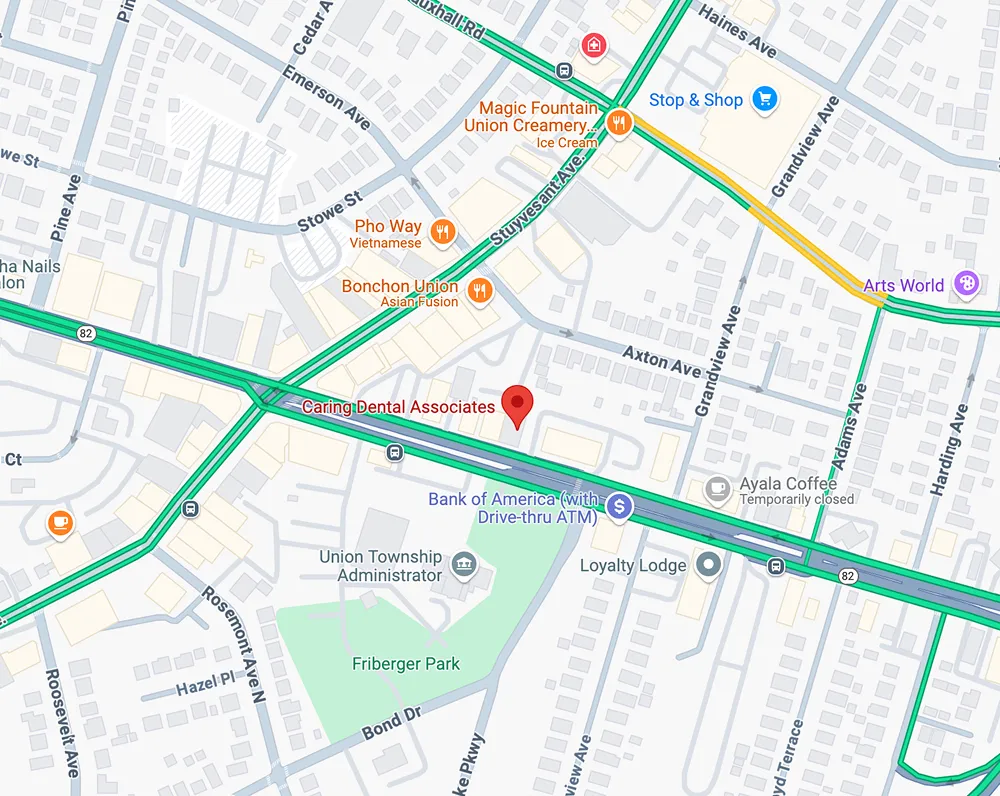
Union
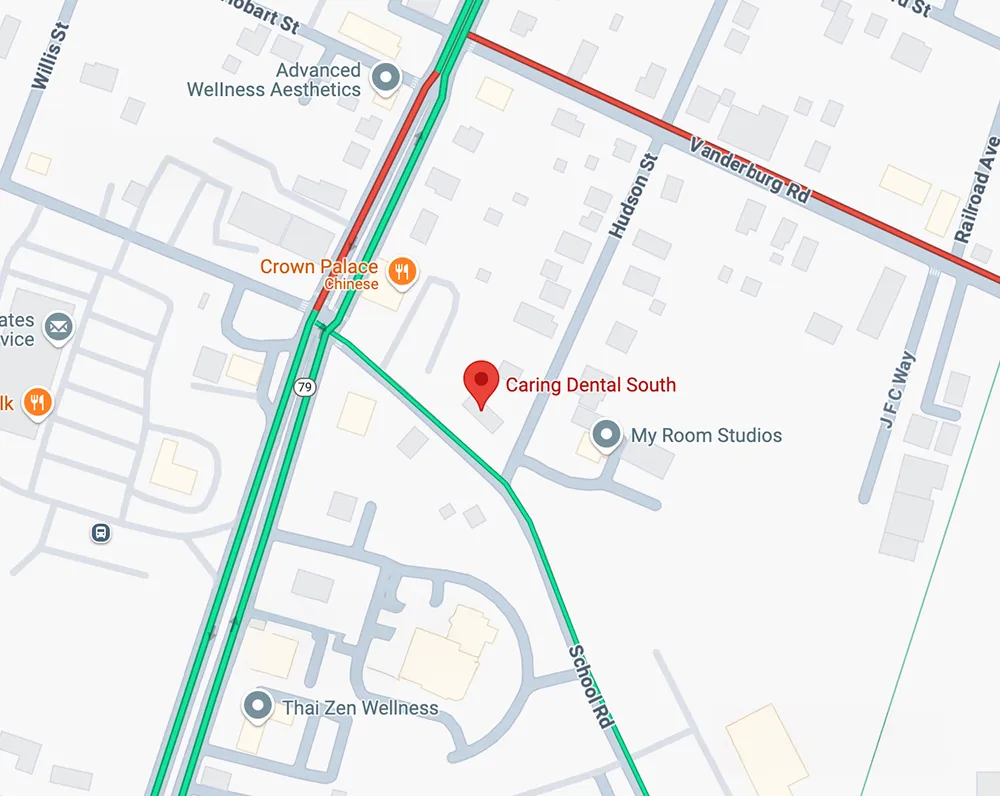
Marlboro
Union
Phone: (908) 686-0302
Office Hours
Monday: 10:00 a.m. - 7:00 p.m.
Tuesday: 10:00 a.m. - 7:00 p.m.
Wednesday: 10:00 a.m. - 7:00 p.m.
Thursday: 10:00 a.m. - 7:00 p.m.
Friday: 10:00 a.m. - 5:00 p.m.
Saturday: Closed
Sunday: Closed


Marlboro
Phone: (732) 462-5700
Office Hours
Monday: 10:00 a.m. - 7:00 p.m.
Tuesday: Closed
Wednesday: Closed
Thursday: 10:00 a.m. - 6:00 p.m.
Friday: Closed
Saturday: 10:00 a.m. - 2:00 p.m.
Sunday: Closed
Experience dental care like never before with treatments that keep your teeth stunningly healthy. Caring Dental is here to make every smile shine brighter.