

Are Implant Supported Overdentures Worth It? Pros and Cons Explained
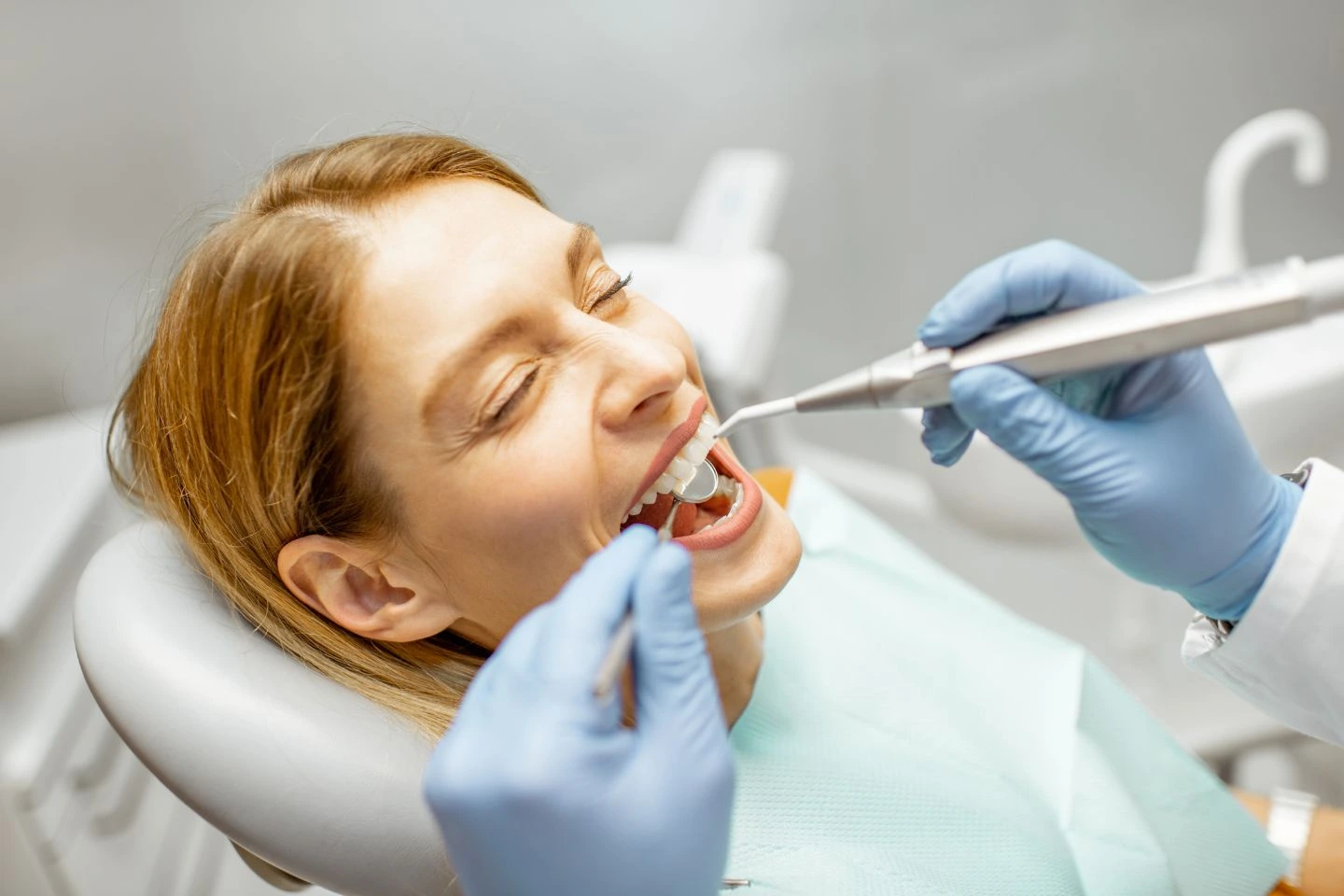
If you have worn traditional dentures for a while, you may have experienced some of their common frustrations.
Maybe your denture shifts when you chew. Perhaps you avoid certain foods because they are difficult to eat. Or you may find yourself worrying that your teeth will move when you speak or laugh.
Implant supported overdentures can address some of these concerns by using dental implants to anchor a removable denture.
But are implant supported overdentures worth it?
For some patients, the answer may be yes. For others, traditional dentures or another tooth replacement option may make more sense.
The best decision depends on your oral health, lifestyle, expectations, and budget. At Caring Dental Associates, we help patients understand both the benefits and limitations before choosing treatment.
What Are Implant Supported Overdentures?
An implant supported overdenture is a removable denture that connects to dental implants placed in the jawbone.
The implants act as anchors, helping the denture remain more stable.
How Are They Different From Traditional Dentures?
Traditional dentures rest on the gums.
Implant supported overdentures have additional support from implants.
This difference can be especially valuable for patients who experience denture movement.
Pros of Implant Supported Overdentures
1. Greater Stability
The biggest advantage is often stability.
The denture is attached to implants, reducing movement during chewing and speaking.
2. Improved Chewing Confidence
A stable restoration can make meals more comfortable.
You may feel less concerned about your denture shifting while eating.
3. More Secure Speaking
Denture movement can sometimes affect speech.
Implant support can provide greater stability, which may make speaking feel more natural.
4. Potential Jawbone Benefits
Dental implants provide stimulation to the bone around the implant sites.
This can help maintain bone in those areas compared with having no tooth roots or implants.
5. Removable Design
Many overdentures can be removed by the patient.
This can make cleaning and maintenance more straightforward than with some fixed restorations.
Cons of Implant Supported Overdentures
No treatment is perfect.
1. Higher Initial Cost
Implant supported overdentures generally cost more upfront than traditional dentures.
The additional expense comes from implant placement, components, laboratory work, and other aspects of treatment.
2. Surgery Is Required
Dental implants require a surgical procedure.
Although the procedure is performed with appropriate anesthesia and planning, some patients prefer to avoid surgery.
3. Treatment Takes Time
Implants need time to heal and integrate with the jawbone before the final restoration can be completed.
4. Maintenance Is Still Necessary
Implants do not eliminate the need for dental care.
The denture, attachment components, gums, and implants all need regular attention.
5. Not Everyone Is an Ideal Candidate
Bone loss, gum disease, certain health conditions, smoking, and other factors may affect implant treatment.
Is the Cost Worth It?
This is one of the most personal parts of the decision.
Traditional dentures may be more affordable initially.
Implant supported overdentures require a larger investment but may provide greater stability and comfort.
Think About What You Value Most
Ask yourself:
- Do my dentures move?
- Do I avoid certain foods?
- Am I tired of using adhesive?
- Do I want a more secure restoration?
- Am I comfortable with implant surgery?
- Does my budget allow for implant treatment?
Your answers can help guide the conversation with your dentist.
How Do Implant Supported Overdentures Compare With Fixed Implants?
Implant supported overdentures are removable.
Fixed implant restorations are designed to remain in place and are removed by a dental professional when necessary.
Why Choose a Removable Overdenture?
Some patients like being able to remove their restoration for cleaning.
It may also require fewer implants or offer a different financial structure than a fully fixed restoration, depending on the case.
Who Is Most Likely to Benefit?
Implant supported overdentures may be worth considering if you:
- Wear loose traditional dentures
- Have difficulty chewing
- Want more stability
- Have adequate bone or can undergo bone preparation
- Prefer a removable restoration
- Are willing to maintain implants and dentures
What Could Make Traditional Dentures the Better Choice?
Traditional dentures may remain a good option if:
- You want the lowest initial treatment cost
- You prefer to avoid implant surgery
- You are not a suitable implant candidate
- You are already comfortable with your current denture
- You prefer a simpler tooth replacement approach
There is nothing wrong with choosing conventional dentures when they meet your needs.
What Should You Consider Before Deciding?
A dental consultation should cover more than price.
Oral Health
Healthy gums and supporting bone are important for implant treatment.
Long-Term Goals
Think about how you want your replacement teeth to function several years from now.
Maintenance
Every restoration requires care.
Budget
Ask for a detailed estimate and understand what is included.
Comfort and Stability
Be honest about how satisfied you are with your current denture.
Is an Overdenture Right for Your Lifestyle?
Implant supported overdentures are not simply a more expensive version of traditional dentures. They are a different approach to tooth replacement that may provide meaningful benefits for the right patient.
Discuss Your Options With Caring Dental Associates
If you are frustrated with loose dentures or want to learn whether implant support could improve your everyday comfort, Caring Dental Associates can help you compare your options.
Contact our dental practice in Union, NJ, to schedule a personalized consultation and find out whether implant supported overdentures are worth considering for your smile.
Frequently Asked Questions
Are implant supported overdentures worth the money?
They may be worth the investment for patients who value improved stability, chewing function, and confidence. The decision is personal and depends on your needs and budget.
Are overdentures better than regular dentures?
They can offer greater stability, but they also require implants, surgery, additional treatment time, and a higher initial investment.
Are implant supported overdentures permanent?
The implants are intended as a long-term foundation, but the removable overdenture and attachment components may need repair, adjustment, or replacement.
Can I eat normally with an overdenture?
Many patients can eat a wider variety of foods comfortably after adapting, although individual results vary.
Do implant supported overdentures eliminate denture adhesive?
They may reduce or eliminate the need for adhesive because the implants provide mechanical support, but your specific restoration determines whether adhesive is recommended.
Are overdentures easier to clean?
The removable design allows you to clean the denture separately. You still need to carefully clean around the implants and attachments.
Can anyone get implant supported overdentures?
No. Your dentist needs to assess bone, gums, general health, and other factors.
Are implant supported overdentures painful?
The implant placement procedure is performed with anesthesia. Some soreness or swelling can occur during healing.
How long do implant supported overdentures last?
Longevity varies. The implants can provide long-term support, while the denture and attachment components may require maintenance or replacement.
Should I choose fixed implants instead?
That depends on your treatment goals, anatomy, budget, and preference for a removable versus fixed restoration.
Our Location
Our office is conveniently located to offer you easy access to a wide range of dental services. Stop by today to experience exceptional service in a comfortable setting.
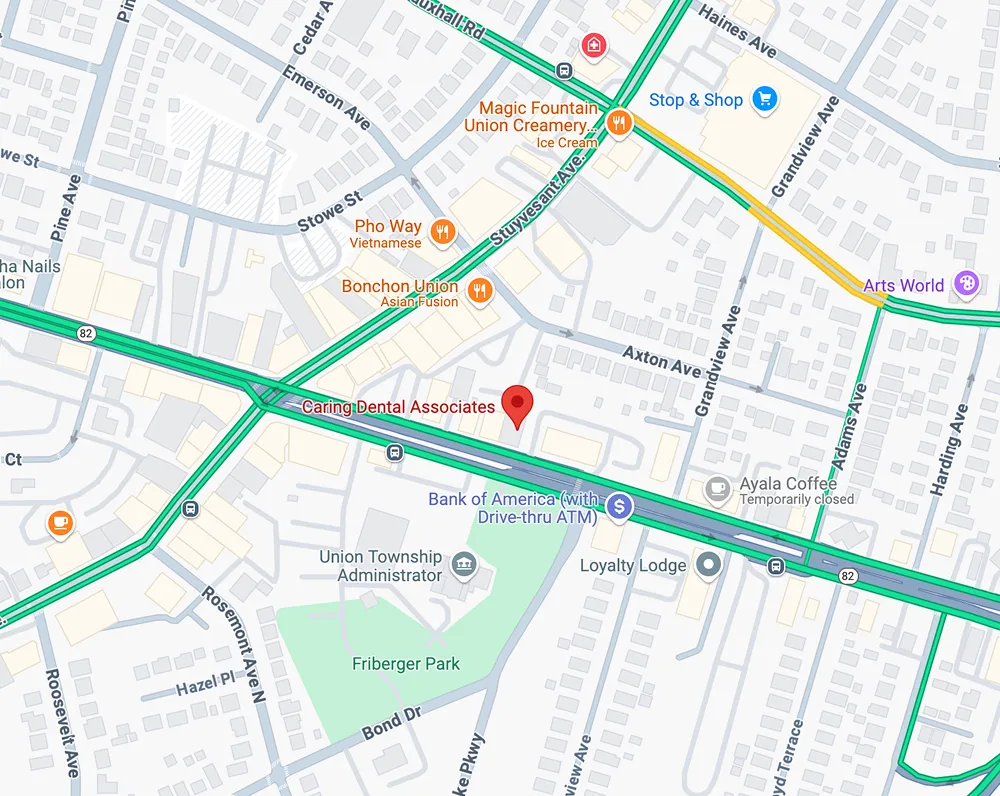
Union
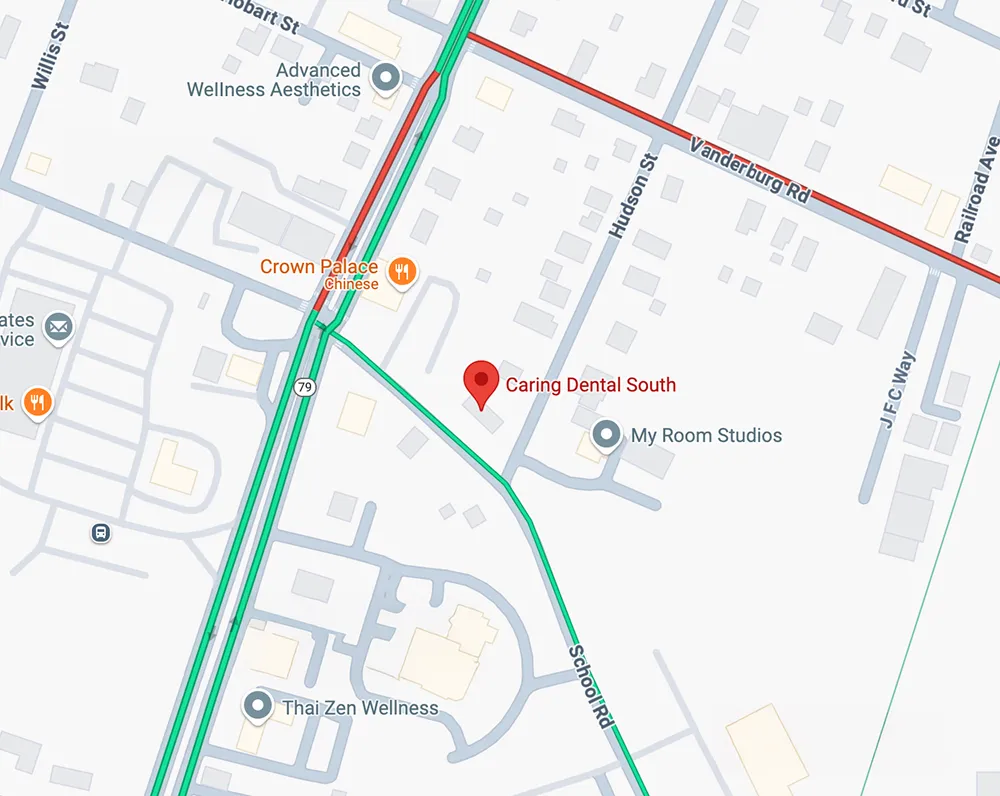
Marlboro
Union
Phone: (908) 686-0302
Office Hours
Monday: 10:00 a.m. - 7:00 p.m.
Tuesday: 10:00 a.m. - 7:00 p.m.
Wednesday: 10:00 a.m. - 7:00 p.m.
Thursday: 10:00 a.m. - 7:00 p.m.
Friday: 10:00 a.m. - 5:00 p.m.
Saturday: Closed
Sunday: Closed


Marlboro
Phone: (732) 462-5700
Office Hours
Monday: 10:00 a.m. - 7:00 p.m.
Tuesday: Closed
Wednesday: Closed
Thursday: 10:00 a.m. - 6:00 p.m.
Friday: Closed
Saturday: 10:00 a.m. - 2:00 p.m.
Sunday: Closed
Experience dental care like never before with treatments that keep your teeth stunningly healthy. Caring Dental is here to make every smile shine brighter.