

Early Signs of Gum Disease You Shouldn’t Ignore
We tend to pay a lot of attention to our teeth. We look for stains, we worry about cavities, and we try to keep them as bright as possible. However, there is an entire foundational support system underneath your pearly whites that often gets overlooked until it starts waving a red flag: your gums.
Your gum tissue acts as the literal anchor and protective barrier for your teeth. When it is healthy, it keeps your smile secure and prevents harmful bacteria from accessing the deeper bone structures of your jaw. Yet, millions of adults live with the early stages of a progressive infection without even realizing it.
Gum disease is incredibly stealthy. In its initial phases, it rarely causes severe pain, which leads many people to assume everything is perfectly fine. Ignoring the subtle warning signs can allow a completely reversible issue to transition into a chronic condition that risks permanent tooth loss.
If you want to keep your smile intact and vibrant for life, learning to spot the early indicators of trouble is essential. Partnering with a dedicated practice like Caring Dental for routine preventive care ensures that you catch these tiny fluctuations before they alter your health. Let us dive into the human side of oral wellness and explore the critical early signs of gum disease you simply should not ignore.
What Exactly is Gum Disease?
To understand the warning signs, it helps to understand the underlying mechanics of how gum disease, or periodontal disease, actually develops. Your mouth is a naturally bustling ecosystem home to hundreds of types of bacteria. When these bacteria mix with food particles and saliva, they create a sticky, colorless film on your enamel called plaque.
When you brush and floss daily, you remove a massive amount of this film. However, plaque accumulates continuously. If it is left undisturbed in the hard to reach spaces between your teeth or along your gumline for more than a day or two, it absorbs minerals from your saliva and hardens into a substance called tartar.
Once tartar forms, your toothbrush can no longer remove it. Tartar acts as a porous, rough shelter for active bacteria, keeping them trapped directly against your delicate gum tissue. The toxins produced by these bacteria begin to irritate the gums, triggering a persistent immune response that leads to inflammation.
The First Stage: Recognizing Gingivitis
The absolute earliest stage of periodontal inflammation is known as gingivitis. This is the golden window for treatment. When gum disease is caught during the gingivitis stage, it is entirely reversible. The infection has not yet caused structural damage to the underlying bone or the connective tissues holding your teeth in place.
Because gingivitis is relatively mild, the symptoms can easily be brushed off as normal everyday occurrences. Let us break down the classic early signs that indicate it is time to seek professional routine dental care.
Five Early Signs of Gum Disease to Keep on Your Radar
1. Bleeding Gums During Brushing or Flossing
Perhaps the most common early indicator of a problem is seeing a pink tint in the sink when you spit out your toothpaste, or noticing blood on your dental floss. Many people assume that bleeding gums simply mean they were brushing a little too aggressively or flossing too hard.
In reality, healthy gum tissue is incredibly resilient and does not bleed from standard cleaning habits. If your gums bleed regularly, it means they are actively inflamed and highly sensitive due to plaque accumulation beneath the gumline. Think of it as a smoke detector warning you of a developing fire.
2. Changes in Gum Color and Texture
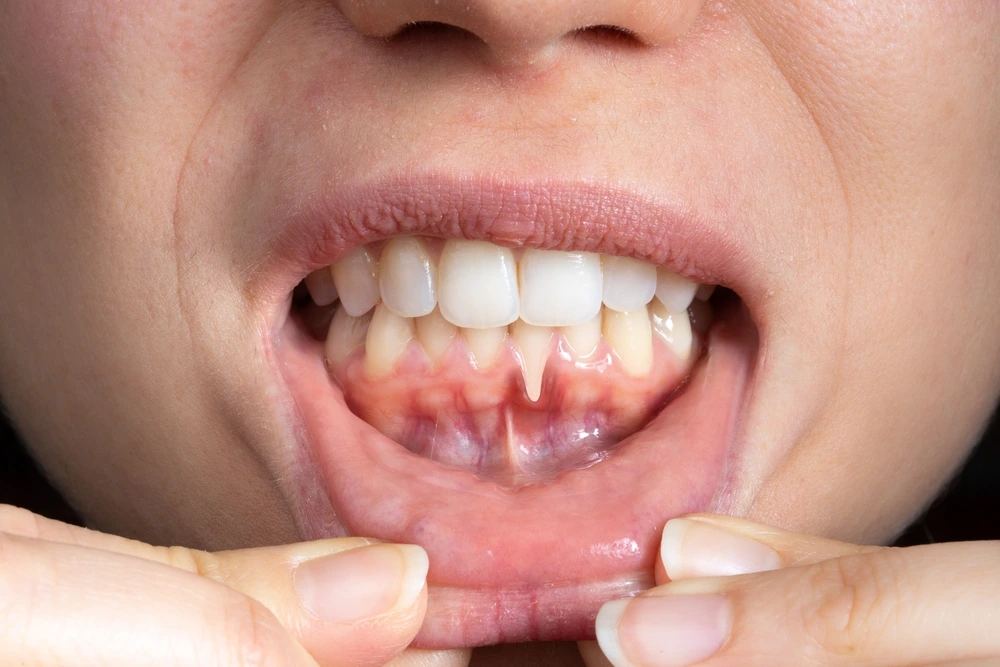
Take a close look at your smile in a well lit mirror. Healthy gums should be a firm, pale pink color and fit tightly around the contours of each tooth.
If you notice that your gums are looking bright red, purple, or dark pink, inflation is likely at play. Furthermore, healthy gums often have a slightly dimpled texture, similar to the skin of an orange. When gums become irritated and engorged with blood, they lose this texture, appearing smooth, glossy, and noticeably puffy or swollen.
3. Persistent Bad Breath (Halitosis)
We all experience occasional bad breath after eating a meal rich in garlic or waking up with a dry mouth. However, if you find that you have a persistent unpleasant taste in your mouth or bad breath that simply will not go away even after brushing, using mouthwash, and chewing mints, it could be a sign of gum disease.
The bacteria responsible for periodontal infections thrive in deep, oxygen depleted pockets along the gumline. As they consume microscopic debris, they release volatile sulfur compounds that emit a strong, foul odor. This is a clear indicator that a bacterial imbalance is present.
4. Gums That Feel Tender to the Touch
While early gum disease rarely causes sharp, agonizing pain, inflamed gums often feel tender, sore, or uncomfortable. You might notice a subtle throbbing sensation after eating hot or cold foods, or your gums might feel bruised when you apply gentle pressure with your toothbrush. This tenderness is a direct byproduct of your body’s inflammatory response as it tries to fight off the bacterial invasion.
5. Slight Gum Recession
Have you ever noticed that a few of your teeth look slightly longer than they used to? This visual change is often caused by gum recession.
As bacteria accumulate and irritate the gumline, the tissue tries to protect itself by pulling away from the source of the irritation. This recession exposes the delicate root surfaces of your teeth, which lack a protective layer of enamel. Not only can this alter the appearance of your smile, but it can also lead to sudden, sharp tooth sensitivity when you enjoy hot, cold, or sweet beverages.
The Danger of Waiting: How Gingivitis Transitions to Periodontitis
The primary reason you should never ignore these early signs is that gum disease does not stay quiet forever. If gingivitis is left untreated, the chronic inflammation deepens. The bacteria begin to migrate further beneath the gumline, destroying the vital structural fibers and bone that support your smile.
Once bone loss occurs, the condition transitions into periodontitis. Periodontitis cannot be completely reversed; it can only be managed with intensive therapies like scaling and root planing or surgical intervention. By paying attention to the initial red flags and visiting your general dentist promptly, you can keep your smile secure, healthy, and pristine.
Ready to Protect and Restore Your Smile?
Your gums deserve the absolute best care to keep your smile strong, healthy, and beautiful for decades to come. If you have noticed your gums bleeding during your morning routine, or if it has simply been a while since your last checkup, the compassionate team at Caring Dental is here to support you. We take a gentle, highly personalized approach to preventive dentistry, ensuring that your comfort always comes first. Contact our friendly office today to schedule your next visit and take a proactive step toward optimal wellness.
Frequently Asked Questions
Q. Can I reverse early gum disease entirely at home?
If you are dealing with very mild gingivitis, you can often reverse the condition by drastically improving your home hygiene routine. This means brushing twice a day thoroughly, flossing between every single tooth daily, and using an antimicrobial mouthrinse. However, if the plaque has already hardened into tartar, you must visit a dental office to have a professional hygienist remove it before your gums can fully heal.
Q. Is gum disease contagious?
While gum disease itself is not technically contagious like a cold or flu, the bacteria that cause the infection can be passed between individuals through saliva. Activities like sharing utensils, cups, or kissing can transfer harmful oral bacteria to your loved ones. If one person in a household is struggling with severe gum disease, it is a smart move for everyone in the family to stay on top of their routine dental cleanings.
Q. How does gum disease impact my overall health?
Your mouth is the gateway to the rest of your body. When you have chronic gum inflammation, the bacteria can easily enter your bloodstream through bleeding vessels. Studies have linked untreated periodontal disease to an increased risk of several systemic health issues, including cardiovascular disease, arterial clogging, strokes, and respiratory infections. It can also make it much more challenging for individuals with diabetes to regulate their blood sugar levels.
Q. How often should I see a dentist to prevent gum disease?
For the majority of healthy adults, visiting a dental professional every six months for a comprehensive exam and regular cleaning is the gold standard for prevention. During these appointments, your team can clear away stubborn tartar and keep a close eye on your gum measurements, catching any potential concerns long before they cause permanent structural damage.
Our Location
Our office is conveniently located to offer you easy access to a wide range of dental services. Stop by today to experience exceptional service in a comfortable setting.
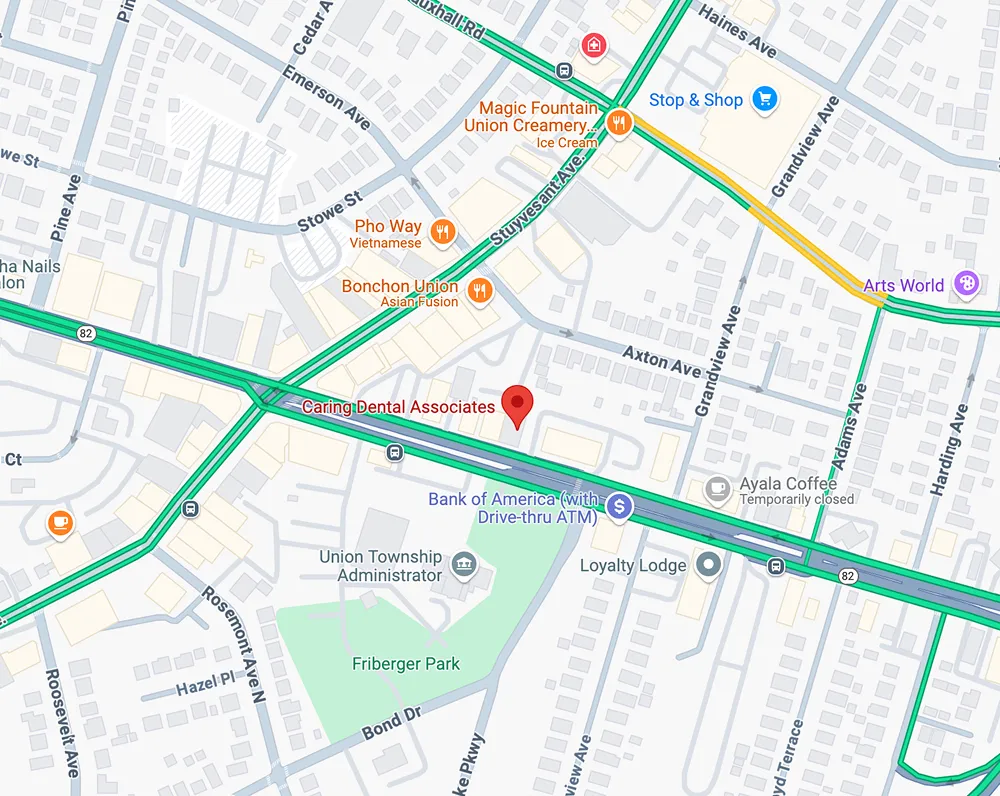
Union
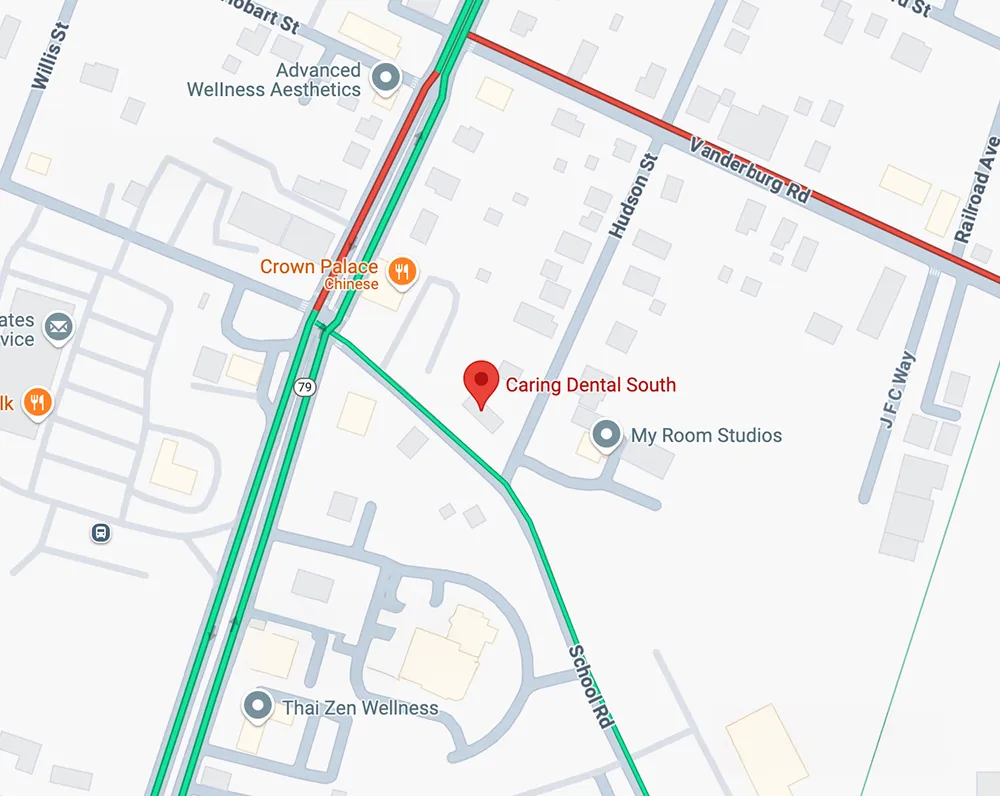
Marlboro
Union
Phone: (908) 686-0302
Office Hours
Monday: 10:00 a.m. - 7:00 p.m.
Tuesday: 10:00 a.m. - 7:00 p.m.
Wednesday: 10:00 a.m. - 7:00 p.m.
Thursday: 10:00 a.m. - 7:00 p.m.
Friday: 10:00 a.m. - 5:00 p.m.
Saturday: Closed
Sunday: Closed


Marlboro
Phone: (732) 462-5700
Office Hours
Monday: 10:00 a.m. - 7:00 p.m.
Tuesday: Closed
Wednesday: Closed
Thursday: 10:00 a.m. - 6:00 p.m.
Friday: Closed
Saturday: 10:00 a.m. - 2:00 p.m.
Sunday: Closed
Experience dental care like never before with treatments that keep your teeth stunningly healthy. Caring Dental is here to make every smile shine brighter.