

Foods That Naturally Whiten Your Teeth at Home

A bright, white smile is often associated with good health and confidence. While professional teeth whitening remains the most effective way to achieve dramatic results, many people are surprised to learn that certain foods can help naturally support a whiter smile at home. These foods do not bleach teeth, but they can help remove surface stains, reduce plaque buildup, and promote overall oral health.
At Caring Dental Associates, we believe that small daily choices, including what you eat, can play a meaningful role in maintaining a healthier and brighter smile. Understanding which foods support natural whitening, and how to use them safely, can help you protect your teeth while enhancing their appearance.
How Teeth Become Stained Over Time
Tooth discoloration is common and can develop gradually. Teeth stains typically fall into two categories.
Surface Stains
Surface stains affect the outer enamel layer and are caused by:
- Coffee and tea
- Red wine
- Dark-colored foods
- Tobacco use
These stains are often easier to reduce with good oral hygiene and dietary choices.
Deeper Discoloration
Deeper stains occur within the tooth structure and may result from aging, medications, trauma, or genetics. Foods cannot remove these stains, and professional whitening is usually needed.
Natural whitening foods mainly help with surface stains and maintaining brightness between dental visits.
How Certain Foods Help Whiten Teeth Naturally
Some foods help keep teeth looking whiter through mechanical or chemical action.
They may:
- Gently scrub away surface stains
- Stimulate saliva production to wash away bacteria
- Reduce plaque buildup
- Support enamel health
These foods work best when combined with consistent brushing, flossing, and regular dental checkups.
Crunchy Fruits and Vegetables That Clean Teeth
Crunchy fruits and vegetables act like natural toothbrushes, gently scrubbing the surface of teeth while you chew.
Apples
Apples are often called “nature’s toothbrush.” Their crisp texture helps remove surface stains and food particles. Apples also stimulate saliva production, which helps neutralize acids in the mouth.
Carrots
Raw carrots are rich in fiber and require a lot of chewing. This increased chewing stimulates saliva and helps clean teeth naturally while supporting gum health.
Celery
Celery contains fibrous strands that help clean between teeth. It is also low in sugar and promotes saliva flow, making it an excellent snack for oral health.
Dairy Products That Support a Brighter Smile
Dairy foods play an important role in strengthening teeth and supporting enamel health.
Cheese
Cheese helps neutralize acids in the mouth and increases saliva production. It also contains calcium and phosphorus, which help strengthen enamel and protect against staining.
Yogurt
Plain yogurt contains probiotics that support a healthy balance of oral bacteria. It also provides calcium and protein, which help maintain strong teeth.
Dairy products do not whiten teeth directly, but they help protect enamel, making teeth less prone to staining.
Strawberries and Natural Enzyme Action
Strawberries are often associated with natural whitening due to their malic acid content.
How Strawberries Help
Malic acid can help break down surface stains on enamel. Strawberries also provide vitamin C, which supports gum health.
Important Caution
While strawberries can help reduce surface stains, they are acidic. Overuse or rubbing strawberries directly on teeth may weaken enamel. They should be enjoyed as part of a balanced diet and followed by rinsing with water.
Pineapple and Enzyme Support
Pineapple contains an enzyme called bromelain, which may help break down plaque and surface stains.
Benefits of Pineapple
- Supports removal of surface debris
- Helps reduce plaque buildup
- Provides vitamin C for gum health
As with other acidic fruits, moderation is key. Rinsing with water after eating pineapple helps protect enamel.
Leafy Greens for Cleaner Teeth
Leafy green vegetables are excellent for oral health and can support a naturally brighter smile.
Spinach and Kale
These vegetables are high in fiber and minerals while being low in sugar. They promote saliva production and help reduce plaque accumulation on teeth.
Leafy greens also provide calcium, which helps strengthen enamel and maintain tooth structure.
Nuts and Seeds That Support Oral Health
Nuts and seeds are rich in minerals that support strong teeth and gums.
Almonds
Almonds are a good source of calcium and protein. Their crunchy texture can help gently clean tooth surfaces while chewing.
Sesame Seeds
Sesame seeds may help scrub plaque from teeth and support enamel health when consumed regularly as part of a balanced diet.
Water as a Natural Whitening Aid
While not a food, water plays a critical role in keeping teeth clean and bright.
Benefits of Drinking Water
- Rinses away food particles and bacteria
- Reduces acid exposure
- Helps prevent staining
Drinking water after meals and snacks is one of the easiest ways to protect your smile at home.
Foods That Help Prevent Future Stains
Preventing stains is just as important as removing them.
Foods that help reduce future staining include:
- High-fiber fruits and vegetables
- Calcium-rich foods
- Low-sugar snacks
Choosing these foods regularly helps maintain a brighter smile over time.
Foods and Habits That Can Counteract Whitening Efforts
While some foods support natural whitening, others contribute to staining.
Limit or moderate:
- Coffee and tea
- Red wine
- Dark berries
- Sugary and acidic beverages
If you consume these items, rinsing with water afterward can help reduce staining.
What Natural Whitening Foods Cannot Do
It is important to have realistic expectations. Natural whitening foods:
- Do not change the natural color of teeth
- Do not remove deep or internal stains
- Do not replace professional whitening
They are best used as part of a preventive routine rather than a replacement for dental treatment.
When Professional Whitening Is the Better Option
If you are unhappy with the color of your teeth or want noticeable whitening results, professional treatment may be the best solution.
Professional whitening can:
- Brighten teeth several shades
- Address stubborn stains
- Provide long-lasting results
At Caring Dental Associates, we offer safe and effective whitening options tailored to your goals and oral health needs.
Combining Diet With Good Oral Hygiene
For the best results, natural whitening foods should be combined with proper oral care.
Daily habits that support a whiter smile include:
- Brushing twice daily with fluoride toothpaste
- Flossing once a day
- Drinking plenty of water
- Scheduling regular dental cleanings
These steps help maintain the benefits of a healthy diet.
Teaching Children Healthy Whitening Habits
Children can also benefit from tooth-friendly foods.
Parents can encourage:
- Crunchy fruits and vegetables
- Dairy snacks instead of sugary treats
- Water instead of juice or soda
These habits support both oral health and natural brightness from an early age.
Long-Term Smile Care at Caring Dental Associates
At Caring Dental Associates, we help patients maintain healthy, confident smiles through education, preventive care, and personalized treatment. Understanding how everyday foods affect your teeth empowers you to make choices that support both health and appearance.
Our team can help you determine whether natural approaches, professional whitening, or a combination of both is right for your smile.
Schedule a Consultation Today
If you are interested in maintaining a brighter smile or exploring professional whitening options, expert guidance can help you achieve the best results safely.
Contact Caring Dental Associates today to schedule your dental appointment and learn how to protect and enhance your smile for the long term.
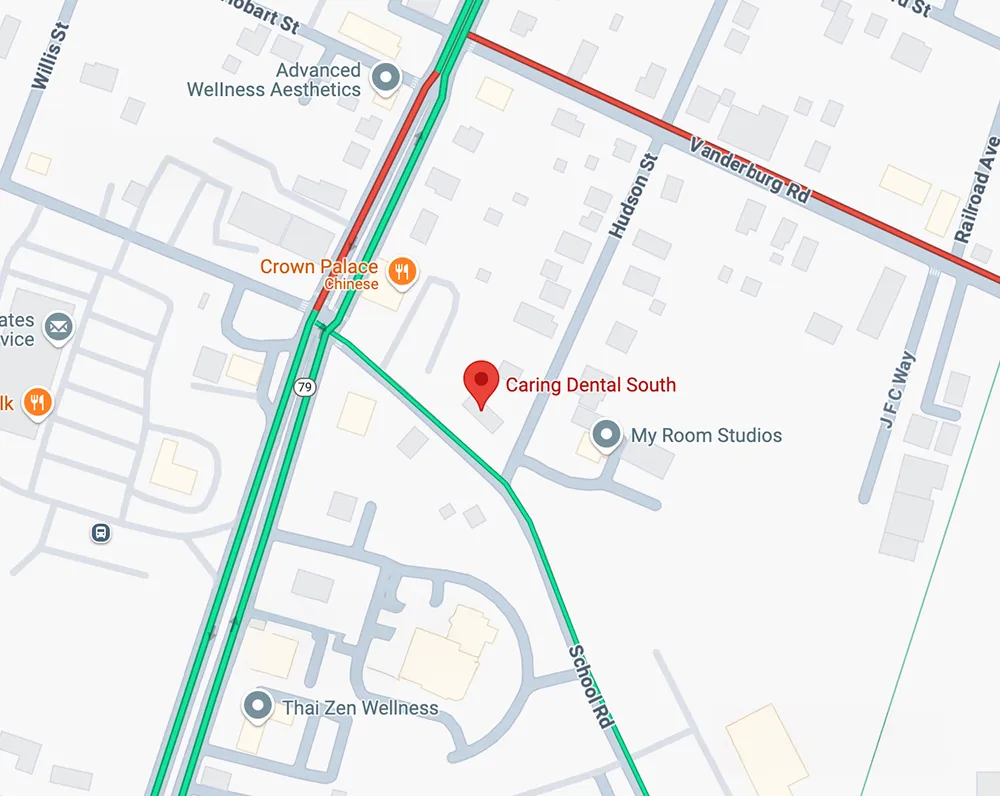
Our Location
Our office is conveniently located to offer you easy access to a wide range of dental services. Stop by today to experience exceptional service in a comfortable setting.

Union
Marlboro
Union
Phone: (908) 686-0302
Office Hours
Monday: 10:00 a.m. - 7:00 p.m.
Tuesday: 10:00 a.m. - 7:00 p.m.
Wednesday: 10:00 a.m. - 7:00 p.m.
Thursday: 10:00 a.m. - 7:00 p.m.
Friday: 10:00 a.m. - 5:00 p.m.
Saturday: Closed
Sunday: Closed


Marlboro
Phone: (732) 462-5700
Office Hours
Monday: 10:00 a.m. - 7:00 p.m.
Tuesday: Closed
Wednesday: Closed
Thursday: 10:00 a.m. - 6:00 p.m.
Friday: Closed
Saturday: 10:00 a.m. - 2:00 p.m.
Sunday: Closed
Experience dental care like never before with treatments that keep your teeth stunningly healthy. Caring Dental is here to make every smile shine brighter.