

Do You Grind Your Teeth at Night? Here’s How to Find Out
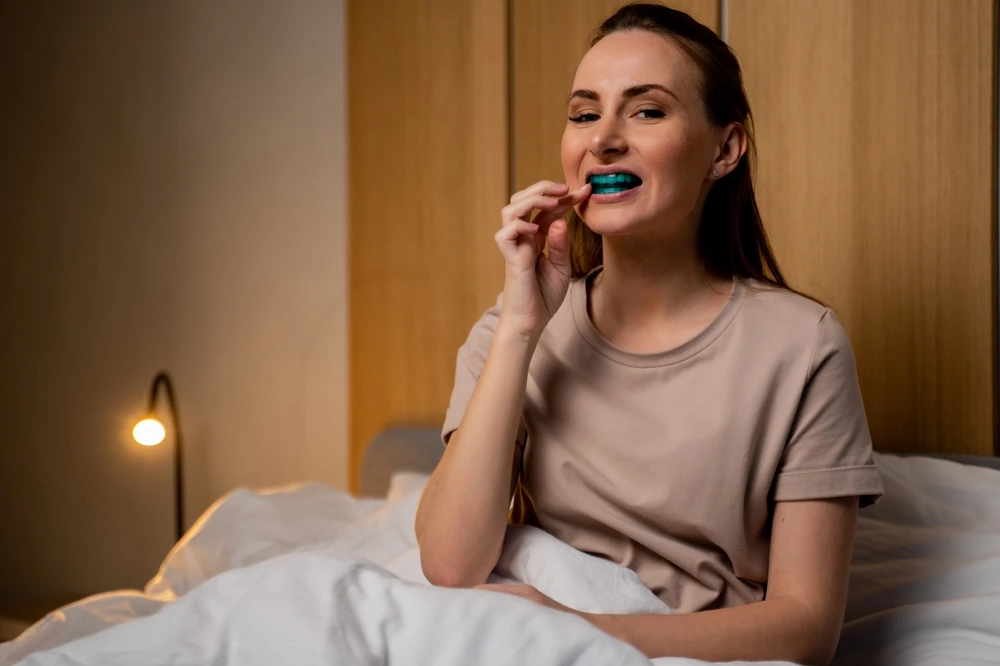
Do you ever wake up with a sore jaw or dull headache? Do your teeth feel sensitive or look worn down over time? If so, you might be grinding your teeth while you sleep — a condition known as bruxism.
Teeth grinding is more common than most people realize, and since it often happens unconsciously, many individuals don’t even know they’re doing it. Over time, bruxism can damage your teeth, cause pain, and even affect your overall quality of life.
At Caring Dental, we help patients identify the signs of teeth grinding early and provide effective treatments to protect their smiles. Here’s how to tell if you grind your teeth at night and what you can do about it.
What Is Teeth Grinding (Bruxism)?
Bruxism is the habitual grinding, clenching, or gnashing of teeth. It can happen during the day (awake bruxism) or at night (sleep bruxism). While occasional grinding might not cause harm, chronic bruxism can lead to serious dental problems over time.
Nighttime teeth grinding is especially harmful because you’re unaware of it while sleeping. The pressure exerted during grinding can be up to 250 pounds per square inch — strong enough to wear down enamel, chip teeth, and strain your jaw muscles.
Common Signs You May Be Grinding Your Teeth
Since teeth grinding happens unconsciously, it can go unnoticed until noticeable damage or pain occurs. Watch for these warning signs:
1. Jaw Pain or Tightness
Waking up with soreness in your jaw, face, or neck is a common symptom of nighttime grinding. Over time, the constant pressure can strain muscles and lead to chronic discomfort.
2. Morning Headaches
Frequent dull headaches in the temples or behind the eyes are a classic sign of bruxism. They result from muscle tension during clenching or grinding while you sleep.
3. Tooth Wear or Flattening
Grinding wears down the enamel, the protective layer of your teeth. You might notice your teeth look shorter, have sharp edges, or show tiny cracks and chips.
4. Tooth Sensitivity
As enamel wears away, the sensitive inner layers of the teeth become exposed. This leads to discomfort when consuming hot, cold, or sweet foods.
5. Gum Recession or Loose Teeth
Excessive grinding puts stress on the supporting tissues, causing gum recession and even tooth mobility in severe cases.
6. Clicking or Popping in the Jaw
If you hear or feel your jaw clicking when you open or close your mouth, it could indicate TMJ (temporomandibular joint) strain caused by grinding.
7. Disturbed Sleep or Complaints from Your Partner
Sometimes, your partner may notice the sound of grinding at night before you do. Loud grinding or clenching noises during sleep are clear indicators of bruxism.
What Causes Teeth Grinding?
Teeth grinding can be triggered by several physical, emotional, and lifestyle factors. Understanding the cause is key to managing it effectively.
Stress and Anxiety
Emotional stress is one of the biggest contributors to bruxism. People often clench their jaws subconsciously during stressful moments or while sleeping.
Sleep Disorders
Conditions like sleep apnea and snoring increase the risk of nighttime grinding. When breathing is disrupted, the body reacts by tightening jaw muscles.
Bite Misalignment
When your teeth don’t fit together properly (malocclusion), the jaw muscles overcompensate, leading to grinding during rest.
Medications
Certain antidepressants and psychiatric drugs can cause teeth grinding as a side effect.
Lifestyle Habits
Frequent alcohol use, caffeine, and smoking can intensify bruxism, especially before bedtime.
How Dentists Diagnose Teeth Grinding
Because many patients aren’t aware they grind their teeth, a dentist’s examination is essential for proper diagnosis. At Caring Dental, we perform a thorough assessment that includes:
- Visual Inspection: Checking for flattened or chipped teeth, worn enamel, and gum recession.
- Palpation: Feeling jaw muscles for tightness or tenderness.
- Bite Evaluation: Identifying misalignment or uneven pressure points.
- X-rays: Examining internal structures for bone loss or tooth damage.
- Sleep and Stress History: Discussing symptoms, sleep patterns, and daily stress levels.
In some cases, your dentist may recommend a sleep study to rule out disorders like sleep apnea, which can be closely linked to bruxism.
Why It’s Important to Address Teeth Grinding Early
Ignoring teeth grinding can lead to long-term consequences that affect not just your mouth, but your overall health.
Dental Damage
Chronic grinding erodes enamel, leaving teeth vulnerable to cavities, fractures, and sensitivity. In severe cases, it can lead to the need for crowns or implants.
Jaw and Muscle Disorders
Constant clenching puts strain on the temporomandibular joint (TMJ), leading to pain, limited movement, or clicking sounds.
Gum and Bone Issues
Grinding can weaken the bone that supports your teeth, increasing the risk of gum recession and tooth mobility.
Sleep Disruption
Bruxism can interfere with deep sleep cycles, causing fatigue, irritability, and poor concentration during the day.
Addressing the issue early helps prevent complications and ensures your teeth and jaw remain strong and healthy for years to come.
Effective Treatments for Teeth Grinding
The good news is that teeth grinding can be managed with professional care and some lifestyle adjustments. Here’s how Caring Dental helps patients find relief:
1. Custom Nightguards
A nightguard (also called an occlusal splint) is a custom-fitted mouthpiece worn while you sleep. It acts as a cushion, preventing your upper and lower teeth from grinding against each other. Unlike over-the-counter options, custom guards fit comfortably and offer better protection.
2. Bite Correction
If your bruxism is caused by misaligned teeth, orthodontic treatment or reshaping certain teeth can help balance your bite and reduce stress on the jaw.
3. Stress Management
Relaxation techniques such as meditation, yoga, and deep breathing can help reduce tension-related grinding.
4. Behavior Training
Learning to keep your jaw relaxed during the day helps break the habit of clenching. Dentists may also suggest tongue and jaw positioning exercises.
5. Treating Sleep Disorders
If sleep apnea or another condition is contributing to your grinding, addressing it can significantly reduce nighttime clenching.
Self-Care Tips to Protect Your Teeth
While professional treatment is essential, small changes at home can help minimize teeth grinding:
- Avoid caffeine and alcohol in the evening.
- Apply a warm compress to your jaw before bed to relax muscles.
- Maintain good posture to relieve jaw tension.
- Practice gentle jaw stretches daily.
- Get 7–8 hours of quality sleep each night.
These habits can make a noticeable difference in reducing the frequency and intensity of grinding episodes.
When to See a Dentist
If you notice symptoms like jaw soreness, tooth sensitivity, or signs of wear, it’s time to see a dentist. The earlier bruxism is identified, the easier it is to prevent lasting damage.
At Caring Dental, we take a personalized approach to diagnosing and treating teeth grinding. Our team focuses on comfort, education, and long-term results to ensure your oral health stays on track.
Conclusion: Protect Your Smile from the Silent Damage of Bruxism
Teeth grinding might seem like a small issue, but it can have major effects on your smile and well-being over time. If you’re waking up with jaw pain, headaches, or worn teeth, don’t ignore the signs.
With early detection, customized nightguards, and simple lifestyle changes, you can stop the damage before it starts — and enjoy restful, pain-free sleep again.
At Caring Dental, we’re here to help you identify and manage bruxism with advanced diagnostic tools and personalized care.
Concerned you might be grinding your teeth at night?
Schedule a consultation with Caring Dental today to protect your smile and get the peaceful sleep you deserve.
Our Location
Our office is conveniently located to offer you easy access to a wide range of dental services. Stop by today to experience exceptional service in a comfortable setting.
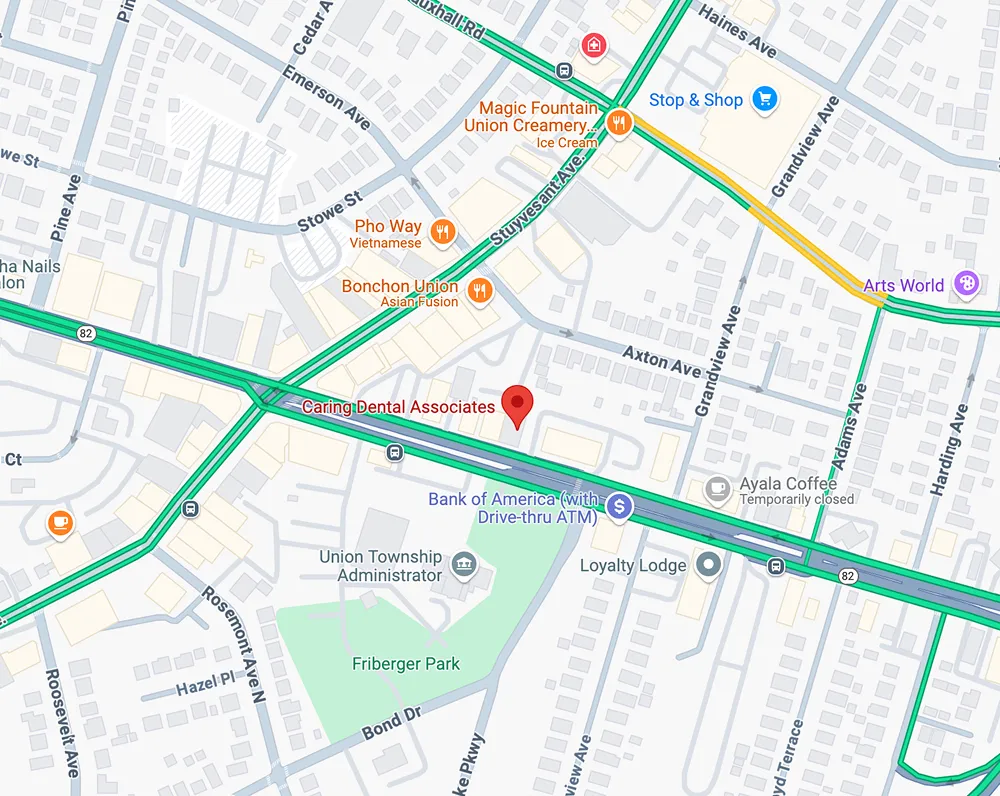
Union
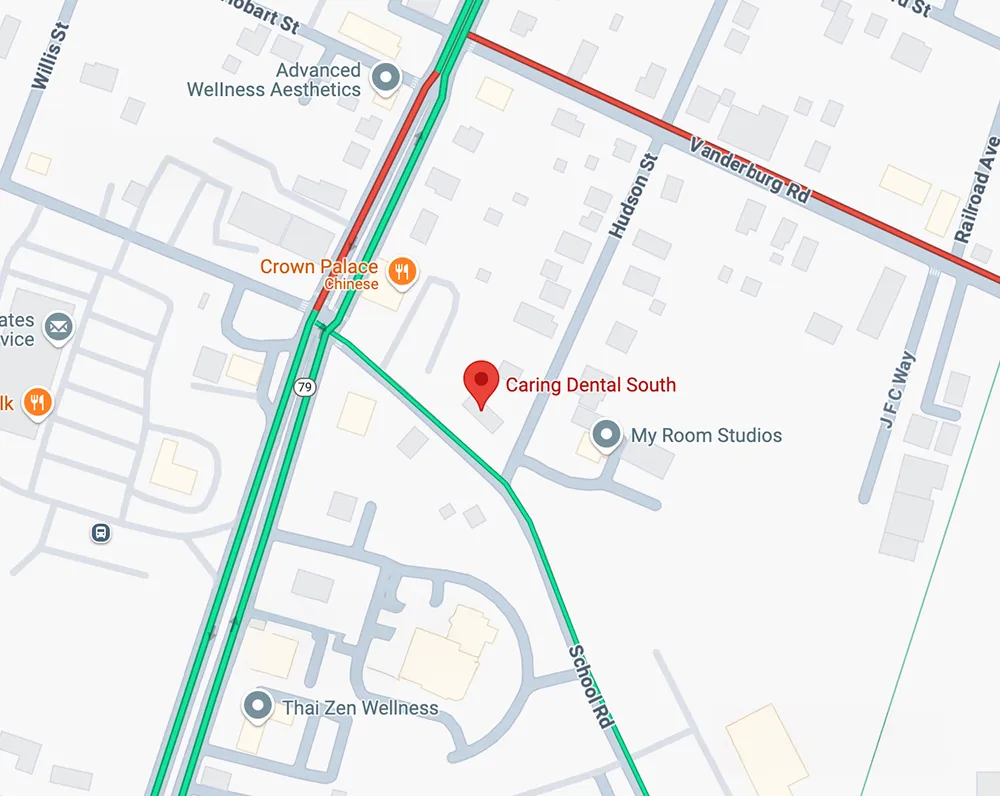
Marlboro
Union
Phone: (908) 686-0302
Office Hours
Monday: 10:00 a.m. - 7:00 p.m.
Tuesday: 10:00 a.m. - 7:00 p.m.
Wednesday: 10:00 a.m. - 7:00 p.m.
Thursday: 10:00 a.m. - 7:00 p.m.
Friday: 10:00 a.m. - 5:00 p.m.
Saturday: Closed
Sunday: Closed


Marlboro
Phone: (732) 462-5700
Office Hours
Monday: 10:00 a.m. - 7:00 p.m.
Tuesday: Closed
Wednesday: Closed
Thursday: 10:00 a.m. - 6:00 p.m.
Friday: Closed
Saturday: 10:00 a.m. - 2:00 p.m.
Sunday: Closed
Experience dental care like never before with treatments that keep your teeth stunningly healthy. Caring Dental is here to make every smile shine brighter.