

Implant Supported Overdentures vs Traditional Dentures: Which Is Better?
Replacing an entire arch of missing teeth can make a noticeable difference in your daily life. But choosing how to replace those teeth is not always straightforward.
Traditional dentures have been a reliable tooth replacement option for generations. Implant supported overdentures offer another approach by combining removable dentures with dental implants for additional support.
So which is better?
There is no answer that applies to every patient. The right choice depends on your oral health, bone structure, budget, comfort preferences, and how you want your replacement teeth to function.
At Caring Dental Associates, we help patients compare their options based on their individual needs rather than choosing a treatment simply because it is newer or more familiar.
What Are Traditional Dentures?
Traditional dentures are removable appliances that replace multiple missing teeth or an entire arch.
Complete dentures rest on the gums and are shaped to restore the appearance and function of missing teeth.
How Do Traditional Dentures Stay in Place?
Upper dentures often receive support from suction and the shape of the palate. Lower dentures rely more heavily on the gums, jaw shape, muscles, and denture fit.
Adhesive may also be used when recommended.
What Are Implant Supported Overdentures?
Implant supported overdentures are removable restorations that attach to dental implants.
The implants are placed into the jawbone and act as anchors.
Why Does Implant Support Matter?
Traditional dentures can move because they rest on soft tissue.
Implant supported overdentures are secured to implants, which can significantly improve stability.
Stability: Which Option Wins?
This is one of the biggest differences.
Traditional Dentures
Traditional dentures can move during eating or speaking, especially if the fit changes over time.
Implant Supported Overdentures
Implants provide anchorage and can reduce unwanted movement.
For patients frustrated by slipping dentures, this difference can be significant.
Eating and Chewing
Your ability to chew comfortably is another important consideration.
Traditional Dentures
Some people adapt very well to traditional dentures. Others find certain foods difficult to eat.
Implant Supported Overdentures
Greater stability may make chewing more comfortable for many patients.
However, no denture system gives exactly the same sensation as natural teeth.
Comfort and Fit
Both options require an adjustment period.
Traditional dentures may initially feel bulky or unfamiliar.
Implant supported overdentures also require adaptation, but the added stability can make the restoration feel more secure during normal activities.
What Happens as the Jaw Changes?
After tooth loss, the jawbone can gradually change shape.
Because traditional dentures rest on the gums, changes in the underlying bone can affect their fit.
Implant placement can provide support within the jaw and may help preserve bone around the implant sites.
Cost Comparison
Traditional dentures generally have a lower initial cost than implant supported overdentures.
Why Are Implant Supported Overdentures More Expensive?
Implant treatment involves:
- Surgical implant placement
- Implant components
- Healing time
- Attachment systems
- Customized restoration
- Diagnostic planning
Additional procedures may also be necessary.
Think About Long-Term Value
Cost should be considered alongside stability, maintenance, comfort, and your long-term expectations.
A lower upfront cost may be appealing, but it does not necessarily provide the same experience as an implant-supported option.
Maintenance Differences
Traditional Dentures
Traditional dentures should be removed and cleaned regularly. They also need periodic evaluation for fit.
Implant Supported Overdentures
These also require daily cleaning, but patients must additionally maintain the implant and attachment areas.
Regular dental examinations remain important.
Are Implant Supported Overdentures More Natural?
Both can be designed to look natural.
The appearance depends on the quality of the denture design, tooth selection, color, shape, and relationship with your facial features.
The major difference is usually stability rather than appearance.
Who Might Prefer Traditional Dentures?
Traditional dentures may make sense if you:
- Want a lower initial-cost option
- Prefer a removable restoration
- Are not interested in implant surgery
- Have health or bone considerations that make implants unsuitable
- Want a relatively straightforward tooth replacement approach
Who Might Prefer Implant Supported Overdentures?
They may be attractive if you:
- Already wear dentures that move
- Want greater stability
- Have difficulty chewing with traditional dentures
- Want an implant-supported option
- Have adequate bone or can undergo preparatory treatment
What About Existing Dentures?
If you already have dentures, you do not necessarily need to start from scratch.
Depending on the condition and design of your existing restoration, your dentist may determine whether it can be modified to work with implants or whether a new overdenture is more appropriate.
How Do You Decide?
A consultation should include an assessment of:
- Bone levels
- Gum health
- Jaw anatomy
- Denture fit
- Oral hygiene
- Medical history
- Budget
- Lifestyle
- Treatment expectations
There Is No One-Size-Fits-All Answer
The "better" option is the one that fits your health and priorities.
Someone who values maximum stability may prefer implants. Someone prioritizing lower upfront cost may prefer conventional dentures.
Make Your Denture Decision With Confidence
If you are tired of denture movement or are preparing for complete tooth replacement, comparing traditional dentures with implant supported overdentures is an important step.
Talk With Caring Dental Associates
Caring Dental Associates can evaluate your smile and explain which tooth replacement approach may fit your needs, preferences, and long-term goals.
Contact our dental practice in Union, NJ, to schedule a consultation.
Frequently Asked Questions
Are implant supported overdentures better than traditional dentures?
They can provide greater stability, but they require implant surgery and a larger initial investment.
Are traditional dentures cheaper?
Generally, yes. Traditional dentures typically have a lower upfront cost than implant supported overdentures.
Can implant supported overdentures move?
They can have some movement, but the implant attachments are designed to provide significantly more stability than traditional dentures.
Do overdentures prevent bone loss?
Implants can help maintain bone around the implant sites, but they do not prevent all jawbone changes after tooth loss.
Can I sleep with implant supported overdentures?
Your dentist will tell you whether your specific restoration should be removed at night.
Can I eat steak with implant supported overdentures?
Eating ability varies. Many patients can enjoy a broad range of foods, but extremely hard or sticky foods may still be challenging.
How long do traditional dentures last?
Their lifespan varies based on wear, fit, oral changes, and maintenance. They may eventually need replacement or adjustment.
Can traditional dentures be converted to overdentures?
In some situations, an existing denture may be modified, but your dentist must determine whether its condition and design are suitable.
Do implant supported overdentures require special cleaning?
Yes. You need to clean both the denture and the areas surrounding the implants and attachments.
Which option should I choose?
Start with a dental evaluation. Your dentist can compare the benefits, limitations, costs, and expected maintenance of both options.
Our Location
Our office is conveniently located to offer you easy access to a wide range of dental services. Stop by today to experience exceptional service in a comfortable setting.
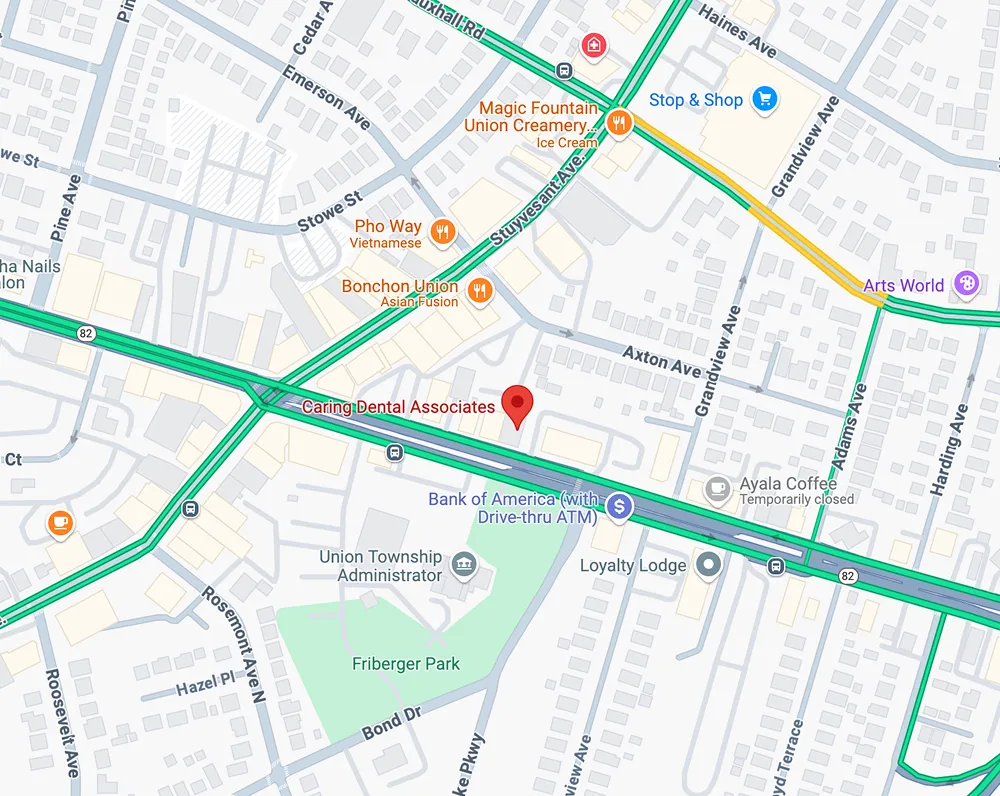
Union
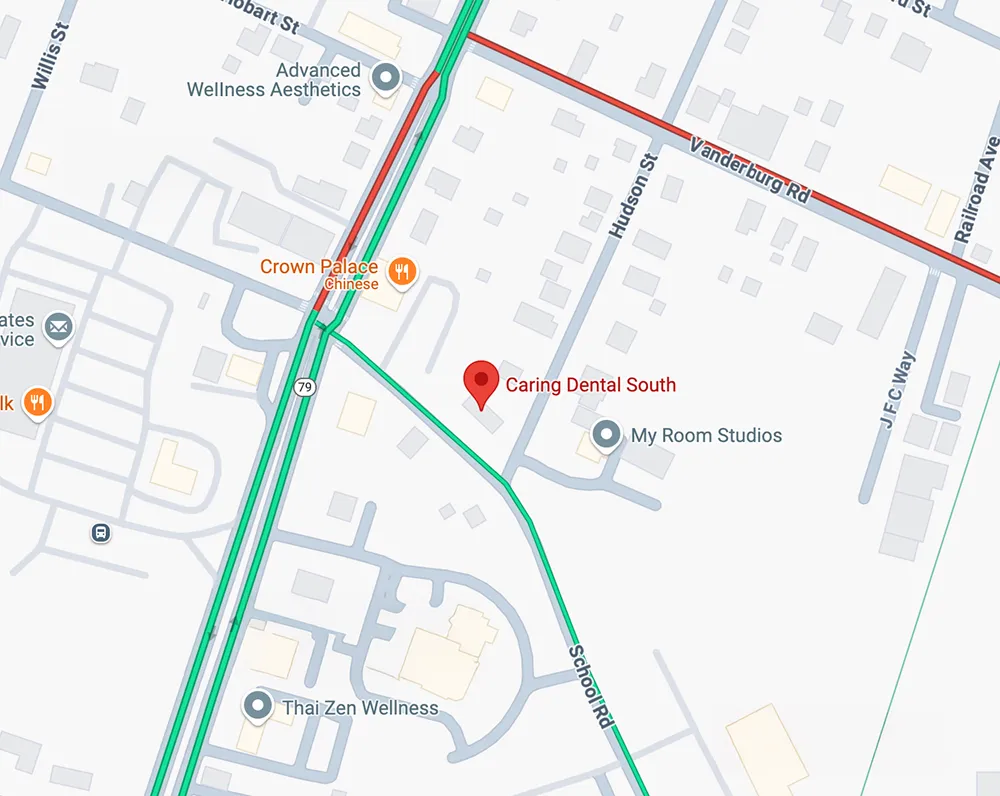
Marlboro
Union
Phone: (908) 686-0302
Office Hours
Monday: 10:00 a.m. - 7:00 p.m.
Tuesday: 10:00 a.m. - 7:00 p.m.
Wednesday: 10:00 a.m. - 7:00 p.m.
Thursday: 10:00 a.m. - 7:00 p.m.
Friday: 10:00 a.m. - 5:00 p.m.
Saturday: Closed
Sunday: Closed


Marlboro
Phone: (732) 462-5700
Office Hours
Monday: 10:00 a.m. - 7:00 p.m.
Tuesday: Closed
Wednesday: Closed
Thursday: 10:00 a.m. - 6:00 p.m.
Friday: Closed
Saturday: 10:00 a.m. - 2:00 p.m.
Sunday: Closed
Experience dental care like never before with treatments that keep your teeth stunningly healthy. Caring Dental is here to make every smile shine brighter.