

Is Non-Surgical Gum Treatment Worth It?

Have you ever noticed a little bit of pink in the sink when you brush or floss your teeth? Maybe you ignored it, thinking you just scrubbed a little too hard. It is a common reaction. Many of us treat a little gum bleeding as if it is nothing more than a minor annoyance. But the truth is, bleeding gums are often the first quiet warning sign of gum disease.
When you find out that you have periodontal disease, it can feel overwhelming. Your mind might instantly jump to the worst case scenarios, like painful dental surgeries, losing your teeth, or spending a fortune on complex procedures. Fortunately, modern dentistry offers a highly effective middle ground that can save your smile before you ever need to go under the knife.
This option is known as non-surgical gum treatment, often referred to as scaling and root planing or a deep cleaning. But if your dentist recently recommended this procedure, you might be wondering about the investment of your time and money. Is non-surgical gum treatment worth it?
The short answer is an absolute yes. For the vast majority of patients dealing with early to moderate gum disease, this therapy is the single best way to protect your teeth, avoid expensive surgeries, and improve your overall health. At Caring Dental, we believe that understanding your treatment choices is the first step toward a healthy mouth. Let us look closely at how this therapy works, why it matters, and why it is worth every penny.
What Exactly Is Non-Surgical Gum Treatment?
To understand why this treatment is so valuable, it helps to look at what is actually happening beneath your gumline. Every day, a soft, sticky film of bacteria called plaque forms on your teeth. If you do not brush and floss it away completely, this plaque mixes with the minerals in your saliva and hardens into a substance called tartar or calculus.
Once tartar forms on your teeth, it acts like a rough concrete block. It gives more bacteria a perfect place to hide and multiply. Even worse, this tartar can start to creep down beneath your visible gumline, attaching itself to the roots of your teeth. Your immune system tries to fight off these bacteria, which causes chronic inflammation. This inflammation makes your gums swell, bleed, and pull away from your teeth, creating deep spaces known as periodontal pockets.
A routine teeth cleaning only polishes the parts of your teeth that sit above the gumline. It cannot reach the deep bacteria hiding in those pockets. Non-surgical gum treatment, or scaling and root planing, is a specialized medical cleaning designed to fix this exact problem.
The Scaling Phase
During the scaling portion of the procedure, your dental professional uses specialized hand instruments and ultrasonic cleaning tools to carefully scrape away the hardened tartar and plaque from the deep pockets beneath your gums. The ultrasonic tools use gentle vibrations and a cooling water mist to knock the stone-like tartar loose from the tooth structure safely.
The Root Planing Phase
Once the roots are clear of tartar, the root planing phase begins. The dental professional smooths out any rough spots on the root surfaces of your teeth. Bacteria love to cling to rough surfaces; by smoothing the roots out, the dentist or hygienist makes it incredibly difficult for new plaque to take hold. This smooth surface also creates the perfect environment for your healing gum tissue to reattach tightly to your teeth, closing up those dangerous pockets.
Signs You Might Need Non-Surgical Periodontal Therapy
Gum disease is famously a silent condition. It rarely causes sharp pain in its early stages, which is why so many people do not realize their mouth is in trouble until significant damage has already occurred. Here are the most common signs that you might be a candidate for this treatment.
Chronic Bleeding Gums and Redness
Healthy gums are firm, pale pink, and they do not bleed when you brush, floss, or eat crisp foods. If your gums are bright red, puffy, tender to the touch, or bleed regularly, your body is dealing with active inflammation caused by bacterial buildup.
Persistent Bad Breath and Receding Gums
Do you feel like you are constantly battling bad breath, even after using mouthwash and brushing your teeth? The bacteria hiding deep within periodontal pockets release sulfur compounds that cause chronic bad breath or a lingering bad taste in your mouth. You might also notice that your teeth look longer than they used to, which happens when your gums begin to recede and expose the sensitive tooth roots.
The Core Benefits: Why It Is It Worth the Investment
When evaluating whether this treatment is worth it, you have to look at both the short-term benefits and the long-term protection it provides for your smile and your body.
It Stops the Progression of Gum Disease
If you leave gum disease untreated, it will not get better on its own. It is a progressive infection. Over time, the chronic inflammation will begin to break down the living bone tissue that anchors your teeth into your jaw. As the bone melts away, your teeth will become loose, painful to chew with, and will eventually fall out or require extraction. Non-surgical therapy halts this destructive cycle in its tracks, clearing out the infection so your tissues can heal.
It Saves You Money and Avoids Painful Surgeries
Investing in a deep cleaning now can save you from a massive amount of physical and financial stress down the road. If gum disease progresses to an advanced stage, the only way to save your teeth is through surgical options like osseous surgery, gum graft surgery, or bone grafting. These surgical treatments are much more invasive, require longer recovery times, and cost significantly more than a non-surgical alternative. Taking care of the problem early is the smartest financial decision you can make for your oral health.
It Protects Your Whole Body
Your mouth is not isolated from the rest of your system; it is the gateway to your body. The bacteria and chronic inflammation associated with advanced periodontitis can easily travel through your bloodstream to other vital organs. Medical research has firmly established a link between severe gum disease and major systemic health conditions, including:
- Heart Disease: Chronic oral inflammation can contribute to clogged arteries and increase your risk of a stroke or heart attack.
- Diabetes: Active gum infections can impair your body's ability to use insulin, making it much harder for individuals with diabetes to regulate their blood sugar levels.
- Respiratory Infections: Inhaling bacteria from a dirty mouth can introduce harmful germs into your lungs, increasing the risk of conditions like pneumonia.
By clearing up the infection in your gums, non-surgical treatment helps lower the overall inflammatory burden on your entire body, supporting your systemic wellness.
What to Expect During the Procedure
It is completely normal to feel a little nervous before a deep cleaning, but modern dental techniques ensure that the process is highly manageable and comfortable.
Because the dental hygienist or dentist will be working deep beneath your gumline, they will typically apply a topical numbing gel and then administer a local anesthetic to ensure you do not feel any pain during the procedure. Your mouth will feel completely frozen, just like it does when you get a standard cavity filling.
Depending on how much tartar buildup you have, the treatment is often split into two separate appointments. Your provider might clean the right side of your mouth during the first visit and the left side during the second visit. This prevents your entire mouth from being numb at the same time and makes the appointments shorter and easier to handle.
After the numbness wears off, your gums might feel slightly tender or throbbing for a day or two. You might also notice some temporary tooth sensitivity to hot or cold drinks. This is a completely normal part of the healing process, as your gums are starting to shrink back to their healthy, tight positions. You can easily manage this mild discomfort with over-the-counter pain relievers and by brushing gently with a toothpaste designed for sensitive teeth.
Keep Your Gums Healthy with Caring Dental
Your smile is a lifetime asset that deserves the absolute best care. Ignoring the signs of gum disease can lead to painful, expensive complications that impact your entire body. Choosing to move forward with non-surgical gum treatment is a powerful, safe, and highly effective way to protect your natural teeth and invest in your long-term health.
At Caring Dental, we are dedicated to helping you achieve a healthy, confident smile in a warm, welcoming, and judgment-free environment. Our experienced team uses advanced diagnostic technology and gentle clinical techniques to deliver thorough preventive and periodontal therapies tailored to your unique lifestyle. Do not let bleeding gums get in the way of your peace of mind. Contact our office today to schedule your comprehensive dental evaluation and take the first step toward a healthier future.
Frequently Asked Questions About Non-Surgical Gum Care
Is a deep cleaning painful?
Thanks to advanced local anesthetics, the procedure itself should not be painful. You will feel some minor pressure as the tools move along your teeth, but the numbing medication keeps you completely comfortable. Any mild soreness you feel after the appointment usually fades within a few days.
How long does it take for gums to heal after treatment?
Most patients notice a massive improvement in how their gums look and feel within one to two weeks. The bleeding will stop, the redness will fade to a healthy pink, and any swelling will go down. Your dentist will usually want to see you back in the office a few weeks later to measure your gum pockets and ensure the tissue is healing perfectly.
Can gum disease be completely cured with non-surgical methods?
If your gum disease is caught in the earliest stage, known as gingivitis, it can be completely reversed and cured. If it has progressed to periodontitis, meaning bone loss has already started, it cannot be fully "cured" because the lost bone cannot grow back on its own. However, non-surgical treatment can successfully manage and arrest the disease, keeping the infection under control so you do not lose any teeth.
How often will I need to get this done?
For most patients, a thorough non-surgical treatment is a one-time procedure to reset the health of your mouth. However, to keep the infection from coming back, you will need to switch to a special maintenance routine. Instead of standard cleanings every six months, your dentist will likely recommend a periodontal maintenance appointment every three to four months to keep those deep pockets clean and free of dangerous bacteria.
Our Location
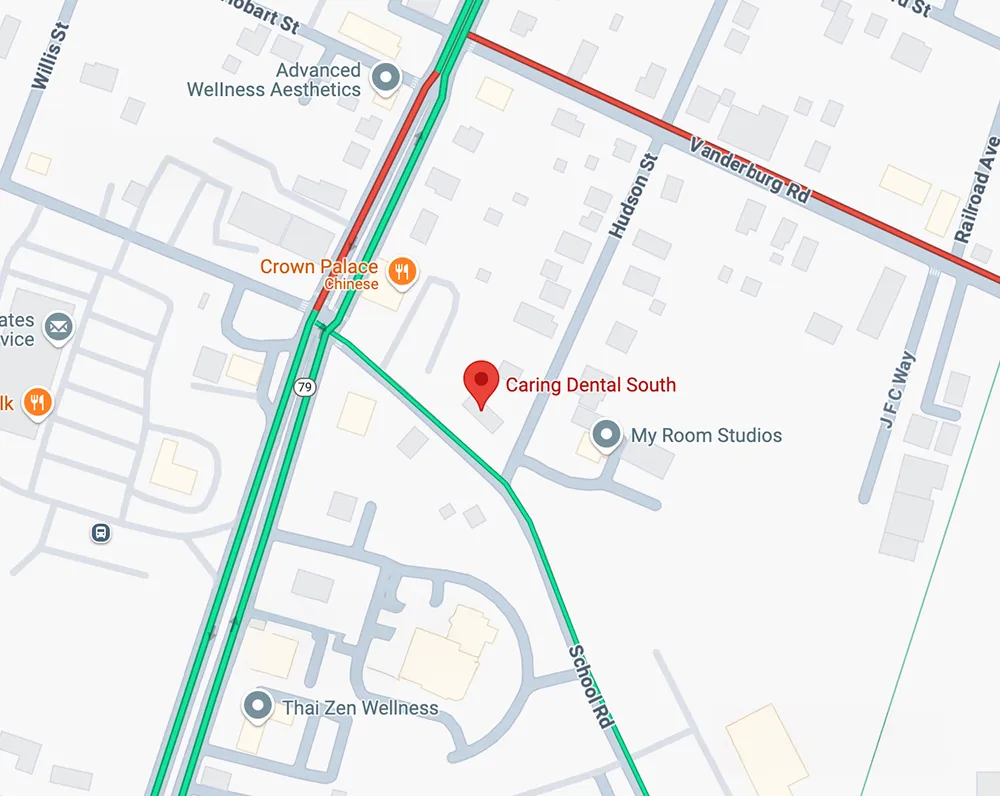
Our office is conveniently located to offer you easy access to a wide range of dental services. Stop by today to experience exceptional service in a comfortable setting.

Union
Marlboro
Union
Phone: (908) 686-0302
Office Hours
Monday: 10:00 a.m. - 7:00 p.m.
Tuesday: 10:00 a.m. - 7:00 p.m.
Wednesday: 10:00 a.m. - 7:00 p.m.
Thursday: 10:00 a.m. - 7:00 p.m.
Friday: 10:00 a.m. - 5:00 p.m.
Saturday: Closed
Sunday: Closed


Marlboro
Phone: (732) 462-5700
Office Hours
Monday: 10:00 a.m. - 7:00 p.m.
Tuesday: Closed
Wednesday: Closed
Thursday: 10:00 a.m. - 6:00 p.m.
Friday: Closed
Saturday: 10:00 a.m. - 2:00 p.m.
Sunday: Closed
Experience dental care like never before with treatments that keep your teeth stunningly healthy. Caring Dental is here to make every smile shine brighter.