

Do You Need a Deep Cleaning? Here’s How to Tell

Maintaining healthy gums and teeth goes beyond daily brushing and flossing. While regular dental cleanings help keep your smile fresh, sometimes your gums need extra care — and that’s where a deep dental cleaning comes in.
At Caring Dental, we often meet patients who are unsure whether they need a standard cleaning or something more comprehensive. This guide will explain what deep cleaning involves, how it differs from a routine cleaning, and the key signs that it might be time to schedule one.
What Is a Deep Dental Cleaning?
A deep cleaning, also known as scaling and root planing, is a specialized procedure designed to treat and prevent gum disease. Unlike regular cleanings that focus on the visible surfaces of the teeth, a deep cleaning targets the areas below the gum line where bacteria and plaque accumulate.
Over time, bacteria can collect in these spaces, forming pockets that cause inflammation, bleeding, and bone loss. Deep cleaning removes the bacteria, smooths the root surfaces, and allows the gums to heal and reattach to the teeth.
In most cases, your dentist recommends a deep cleaning when signs of gum disease (periodontitis) are detected during an exam.
Signs You Might Need a Deep Cleaning
Gum disease develops silently, and many people don’t realize they have it until significant damage has occurred. Here are the most common warning signs that you may need a deep cleaning:
1. Bleeding Gums
If your gums bleed when you brush or floss, it’s not normal. This is one of the earliest signs of gingivitis — the first stage of gum disease. Without proper treatment, it can progress to periodontitis.
2. Red, Swollen, or Tender Gums
Healthy gums are pink and firm. If yours are puffy, sore, or look darker than usual, it could indicate an infection caused by plaque buildup below the gum line.
3. Persistent Bad Breath
Bacteria trapped under your gums release toxins and odor, causing chronic bad breath that doesn’t improve with mouthwash or brushing.
4. Gum Recession
When your gums pull away from your teeth, exposing the roots, it’s a sign that gum tissue and bone are deteriorating — often due to advanced gum disease.
5. Loose or Shifting Teeth
As gum disease progresses, it damages the bone that supports your teeth, leading to looseness or changes in your bite. A deep cleaning can help slow or stop this process.
6. Deep Gum Pockets
Your dentist measures the depth between your teeth and gums using a small probe. Healthy pockets measure 1–3 mm deep. Pockets deeper than 4 mm suggest gum disease and usually require deep cleaning.
What Happens During a Deep Cleaning Appointment?
At Caring Dental, we make deep cleanings as comfortable and effective as possible. Here’s what you can expect during your visit:
Step 1: Comprehensive Examination
Your dentist will review your dental history, take X-rays if needed, and measure your gum pocket depth to confirm the presence and extent of gum disease.
Step 2: Scaling
Using special ultrasonic tools, your hygienist removes plaque and tartar buildup from above and below the gum line. This step eliminates harmful bacteria and prevents further infection.
Step 3: Root Planing
Next, the roots of your teeth are smoothed to remove rough areas where bacteria can accumulate. This helps your gums heal and reattach to your teeth.
Step 4: Irrigation and Medication
Antibacterial solutions may be applied to reduce inflammation and promote healing. In some cases, localized antibiotics are placed into deep pockets.
Step 5: Aftercare and Follow-Up
Mild tenderness or sensitivity is common for a few days after treatment. Your dentist may recommend gentle brushing, warm saltwater rinses, and over-the-counter pain relief if needed. A follow-up appointment is usually scheduled to monitor healing.
Why Deep Cleaning Is So Important
Ignoring gum disease can lead to serious long-term consequences, including tooth loss. Deep cleaning offers several benefits that protect your smile and overall health:
- Prevents tooth loss by stopping gum disease progression
- Reduces gum bleeding and inflammation
- Eliminates bacteria that contribute to bad breath
- Protects bone structure and gum tissue
- Improves overall oral health and appearance
Gum disease has also been linked to systemic health conditions such as heart disease, diabetes, and stroke. Treating it early can have positive effects on your entire body.
How Often Should You Get a Deep Cleaning?
Unlike regular cleanings, deep cleanings are typically performed only when needed. The frequency depends on your gum health and your dentist’s recommendation.
After a deep cleaning, you may need maintenance cleanings every 3–4 months to keep gum disease from returning. Consistent home care and regular dental checkups are essential to prevent further buildup.
Myths About Deep Cleaning
There are several misconceptions about deep dental cleanings that can prevent patients from getting the care they need. Let’s clear up a few:
Myth: “Deep cleanings are painful.”
Fact: With local anesthesia and modern technology, the procedure is comfortable and relatively pain-free.
Myth: “I can fix gum disease by brushing better.”
Fact: Once tartar forms below the gum line, it cannot be removed by brushing or flossing alone.
Myth: “If my gums don’t hurt, they’re fine.”
Fact: Gum disease often progresses silently, without pain in the early stages.
Understanding these facts can help you make informed decisions about your oral health.
How to Prevent Needing a Deep Cleaning
The best way to avoid deep cleanings is to stay consistent with preventive care. Here are a few tips:
- Brush twice daily with a soft-bristled toothbrush
- Floss every day to remove plaque between teeth
- Use an antibacterial mouthwash
- Limit sugary foods and drinks
- Visit Caring Dental every six months for checkups and professional cleanings
Early detection is key. The sooner your dentist identifies gum issues, the easier and less invasive the treatment will be.
Cost and Value of Deep Cleaning
The cost of a deep cleaning depends on the severity of gum disease and how many areas of your mouth are affected. While it may seem like an investment upfront, it’s far less expensive than replacing teeth or treating advanced periodontal disease later.
Most dental insurance plans cover a portion of the cost, especially if the cleaning is deemed medically necessary. Our team at Caring Dental can help you understand your benefits and create a treatment plan that fits your budget.
Conclusion: Protect Your Smile Before It’s Too Late
Gum disease can develop quietly, but its effects can be permanent if ignored. A deep cleaning is one of the most effective ways to stop it in its tracks and restore your gum health. If you’ve noticed bleeding gums, bad breath, or gum recession, don’t wait for symptoms to worsen — take action now.
At Caring Dental, we’re dedicated to preserving your smile through compassionate, preventive, and personalized care. Whether you need a routine cleaning or a deep cleaning, our team ensures your comfort and long-term dental health.
Concerned about bleeding gums or gum sensitivity?
Schedule your consultation at Caring Dental today to find out if a deep cleaning can help restore your smile and protect your oral health.
Our Location
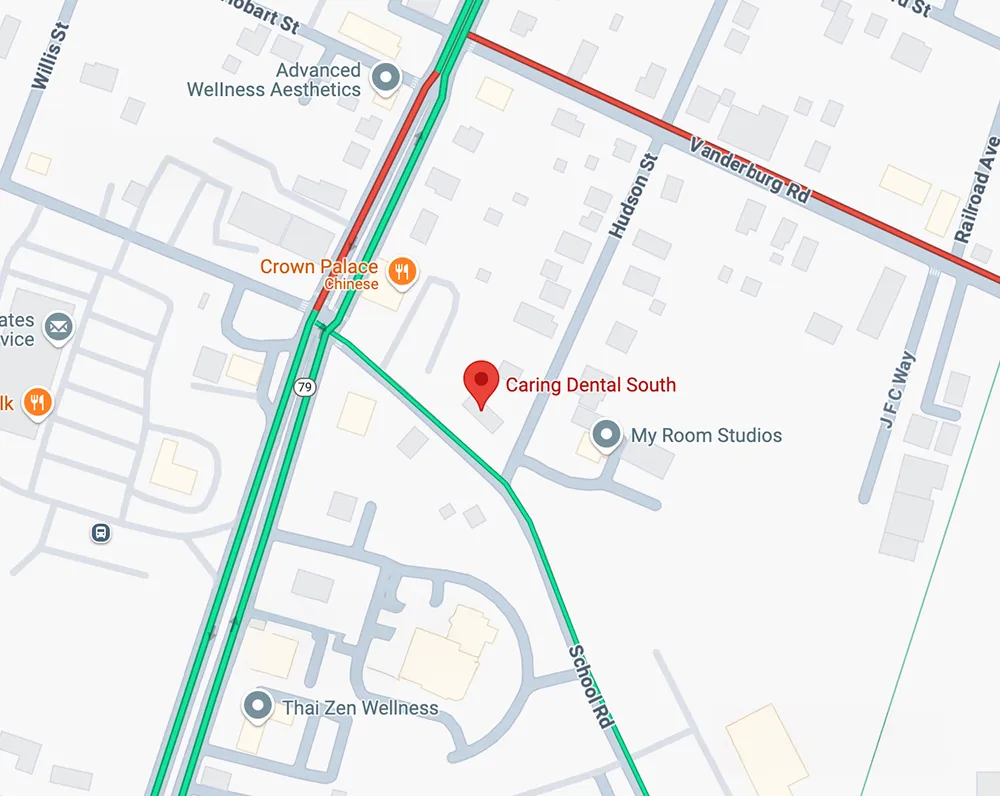
Our office is conveniently located to offer you easy access to a wide range of dental services. Stop by today to experience exceptional service in a comfortable setting.

Union
Marlboro
Union
Phone: (908) 686-0302
Office Hours
Monday: 10:00 a.m. - 7:00 p.m.
Tuesday: 10:00 a.m. - 7:00 p.m.
Wednesday: 10:00 a.m. - 7:00 p.m.
Thursday: 10:00 a.m. - 7:00 p.m.
Friday: 10:00 a.m. - 5:00 p.m.
Saturday: Closed
Sunday: Closed


Marlboro
Phone: (732) 462-5700
Office Hours
Monday: 10:00 a.m. - 7:00 p.m.
Tuesday: Closed
Wednesday: Closed
Thursday: 10:00 a.m. - 6:00 p.m.
Friday: Closed
Saturday: 10:00 a.m. - 2:00 p.m.
Sunday: Closed
Experience dental care like never before with treatments that keep your teeth stunningly healthy. Caring Dental is here to make every smile shine brighter.