

What Are Implant-Supported Overdentures? Benefits, Procedure & Cost Explained
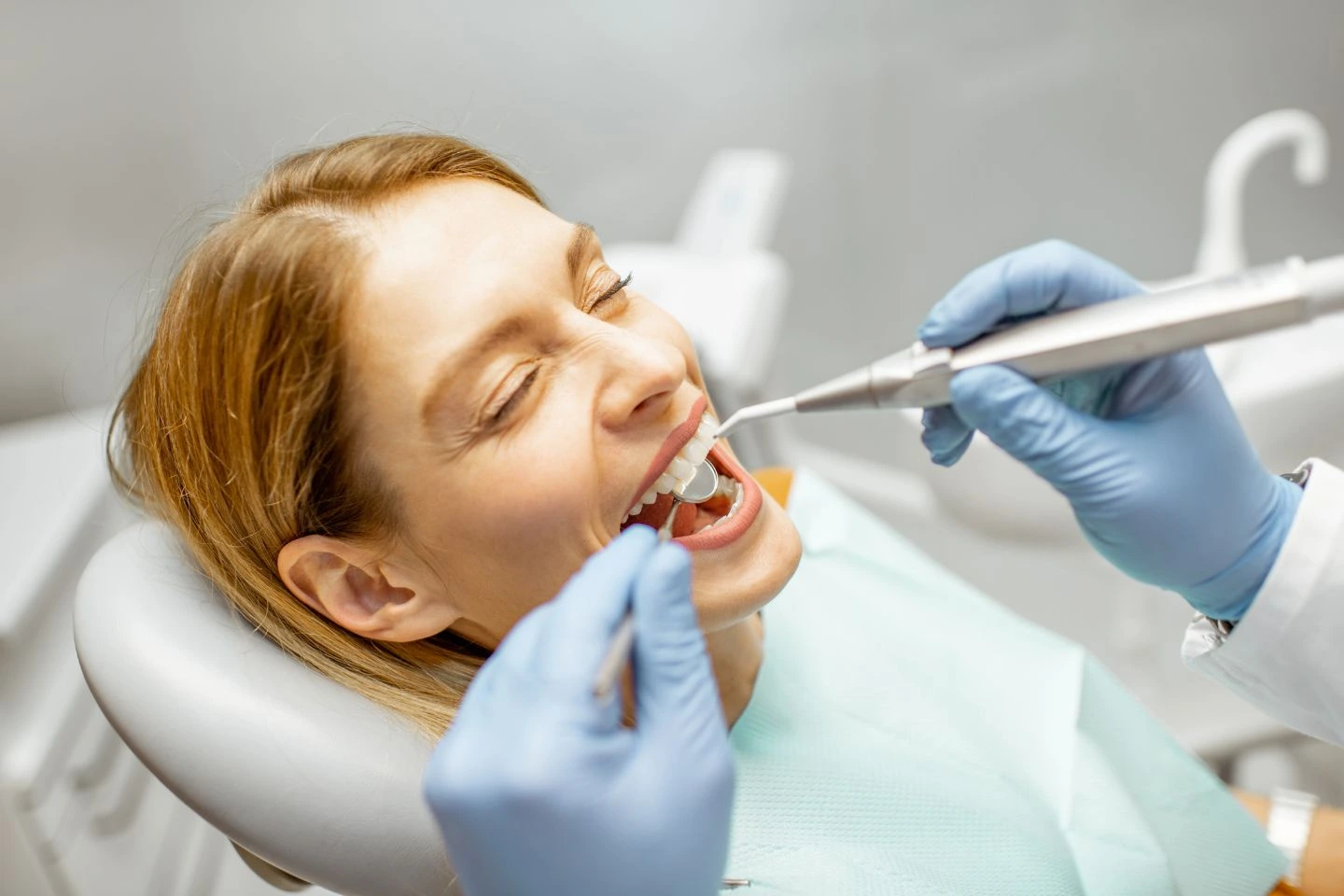
Losing several or all of your teeth can affect much more than your smile. Traditional dentures can replace missing teeth, but some patients find that conventional dentures move while eating, speaking, or laughing. Others struggle with reduced chewing ability or simply want a more secure solution.
Implant-supported overdentures offer another option. Instead of resting entirely on the gums, these dentures are supported by dental implants placed in the jaw. The implants provide stability while the removable denture attaches securely to them.
For patients considering tooth replacement, understanding how implant-supported overdentures work, what the procedure involves, and what can affect the cost can make the decision much easier.
What Are Implant-Supported Overdentures?
Implant-supported overdentures are removable dentures that receive support from dental implants. The implants act as stable anchors in the jaw, while specially designed attachments connect the denture to those implants.
Traditional dentures rely primarily on the gums and underlying jawbone for support. Because there are no implant anchors, they may shift during normal activities.
With an implant-supported overdenture, the implants help hold the denture in position. Depending on the treatment plan, an overdenture may be supported by two or more implants.
This approach can be used for patients who have lost many teeth or an entire arch of teeth. The exact number and placement of implants depend on factors such as bone availability, oral health, and the type of restoration being considered.
How Are Implant-Supported Overdentures Different From Traditional Dentures?
The biggest difference is how the denture receives support.
Traditional dentures sit directly on the gums. Adhesive may sometimes be used to improve retention, but the denture can still move because it is not anchored to implants.
Implant-supported overdentures use dental implants to create additional stability.
This can make everyday activities more comfortable for some patients.
Traditional Dentures
Traditional dentures:
- Rest on the gums
- Can be removed by the patient
- May move during chewing or speaking
- Can require denture adhesive
- Do not provide the same implant-based support
Implant Supported Overdentures
Implant supported overdentures:
- Attach to dental implants
- Can provide improved stability
- Are generally removable for cleaning
- May make chewing and speaking feel more secure
- Use implants to help support the restoration
Neither option is automatically right for everyone. A dental evaluation is necessary to determine which type of tooth replacement makes sense for your needs.
Benefits of Implant-Supported Overdentures
One of the main reasons patients consider implant-supported overdentures is stability. A denture that moves less can make everyday activities feel easier.
Improved Denture Stability
Implant attachments can help keep the overdenture in place while you eat and speak. This may reduce some of the movement associated with traditional dentures.
Better Chewing Function
When dentures move less, patients may find it easier to chew a wider variety of foods. However, chewing ability varies from person to person and depends on the design of the restoration and overall oral health.
A More Secure Feeling
Some denture wearers are concerned about their dentures slipping while talking, laughing, or eating in public. Implant support can provide additional retention and may give patients greater confidence.
Support for Jawbone Health
Dental implants stimulate the surrounding bone in a way that traditional dentures do not. This does not mean implants prevent all bone loss, but they can provide an important form of stimulation where they are placed.
Removable for Cleaning
Implant-supported overdentures are generally designed to be removed. This allows patients to clean the restoration and maintain good oral hygiene around the implants.
What Is the Implant Supported Overdenture Procedure Like?
The treatment process varies depending on your oral health and treatment plan.
Step 1: Comprehensive Evaluation
Your dentist first evaluates your teeth, gums, jawbone, bite, and overall oral health. Imaging may be recommended to assess the available bone and determine where implants could potentially be placed.
This appointment is also an opportunity to discuss your goals, concerns, budget, and expectations.
Step 2: Implant Placement
Dental implants are surgically placed into the jawbone. The number of implants depends on your individual treatment plan.
After placement, the implants need time to heal and integrate with the surrounding bone.
Step 3: Healing and Integration
Osseointegration is the process in which the implant becomes integrated with the surrounding bone. The length of this phase varies between patients.
In some situations, temporary teeth or another interim restoration may be used during treatment.
Step 4: Attachment and Denture Fabrication
Once the implants are ready, the components that connect the overdenture to the implants are incorporated into the treatment.
The overdenture is designed to fit your mouth and bite comfortably.
Step 5: Follow-Up and Maintenance
After your implant-supported overdenture is delivered, follow-up visits help your dental team assess fit, comfort, oral hygiene, and implant health.
Regular maintenance is important because implants can still develop problems if plaque and bacteria accumulate around them.
How Much Do Implant-Supported Overdentures Cost?
The cost of implant-supported overdentures varies significantly from patient to patient. There is no single price that applies to every treatment plan.
Factors that can affect the total cost include:
- Number of dental implants
- Type of overdenture
- Implant components and attachments
- Extractions
- Bone grafting or other preparatory procedures
- Diagnostic imaging
- Laboratory fees
- Temporary restorations
- Complexity of the case
- Follow-up and maintenance needs
Insurance benefits may also affect your out-of-pocket expenses. Some dental plans may provide benefits toward portions of treatment, although coverage varies widely.
Caring Dental Associates can evaluate your needs and discuss the treatment and financial considerations associated with your options.
Who May Be a Candidate for Implant-Supported Overdentures?
Patients who have lost most or all of their teeth may potentially benefit from implant-supported overdentures.
However, candidacy depends on several factors.
Healthy gums, adequate bone support, good oral hygiene, and the ability to maintain the implants are important considerations.
If there has been significant bone loss, additional procedures may sometimes be recommended before implants can be placed.
Certain medical conditions and medications may also affect healing and implant treatment. Your dentist will review your medical and dental history before recommending treatment.
Caring for Implant-Supported Overdentures
Implant-supported overdentures require regular care.
Remove the overdenture as directed and clean it thoroughly. Your dentist may also recommend specific brushes or cleaning products.
The implants and surrounding gums need daily attention as well. Plaque buildup around implants can contribute to inflammation and potentially threaten implant health.
Regular dental appointments are important even if your overdenture feels comfortable.
Choosing the Right Tooth Replacement Option
Replacing missing teeth is not simply about choosing between two products. It is about finding an approach that fits your oral health, lifestyle, expectations, and budget.
Implant-supported overdentures can offer a middle ground between traditional removable dentures and more extensive fixed implant restorations. For some patients, the additional stability provided by implants can make a meaningful difference in everyday life.
Schedule an Implant Consultation in Union, NJ
If you are considering implant-supported overdentures in Union, NJ, Caring Dental Associates can help you understand your tooth replacement options and determine what may be appropriate for your smile.
Contact Caring Dental Associates in Union, NJ to schedule a consultation and discuss your dental implant and denture options.
FAQs About Implant-Supported Overdentures
Are implant-supported overdentures removable?
Yes. Most implant-supported overdentures are designed to be removed by the patient for cleaning and maintenance.
How many implants are needed for an overdenture?
The number varies depending on your anatomy and treatment plan. Some overdentures can be supported by a relatively small number of implants, while other situations may require additional support.
Are implant-supported overdentures better than traditional dentures?
They may provide greater stability than traditional dentures, but the best option depends on your oral health, bone support, budget, preferences, and treatment goals.
Can I eat normally with implant-supported overdentures?
Many patients find that implant support improves denture stability during eating. However, adjustment takes time, and your ability to eat different foods depends on your restoration and individual circumstances.
Do implant-supported overdentures require special cleaning?
They require careful daily cleaning of both the denture and the tissues and implant areas around it. Your dentist can show you the appropriate technique.
Are implant-supported overdentures expensive?
They generally cost more initially than traditional dentures because the treatment involves dental implants and additional components. However, the overall cost depends on the individual treatment plan.
Can I get implant-supported overdentures if I have bone loss?
Possibly. Bone loss does not automatically rule out implant treatment. Your dentist can evaluate the available bone and determine whether additional treatment may be appropriate.
How long do implant-supported overdentures last?
The lifespan varies based on the restoration, implant health, oral hygiene, habits, and regular maintenance. Dentures and attachment components may eventually require repair, adjustment, or replacement.
Our Location
Our office is conveniently located to offer you easy access to a wide range of dental services. Stop by today to experience exceptional service in a comfortable setting.
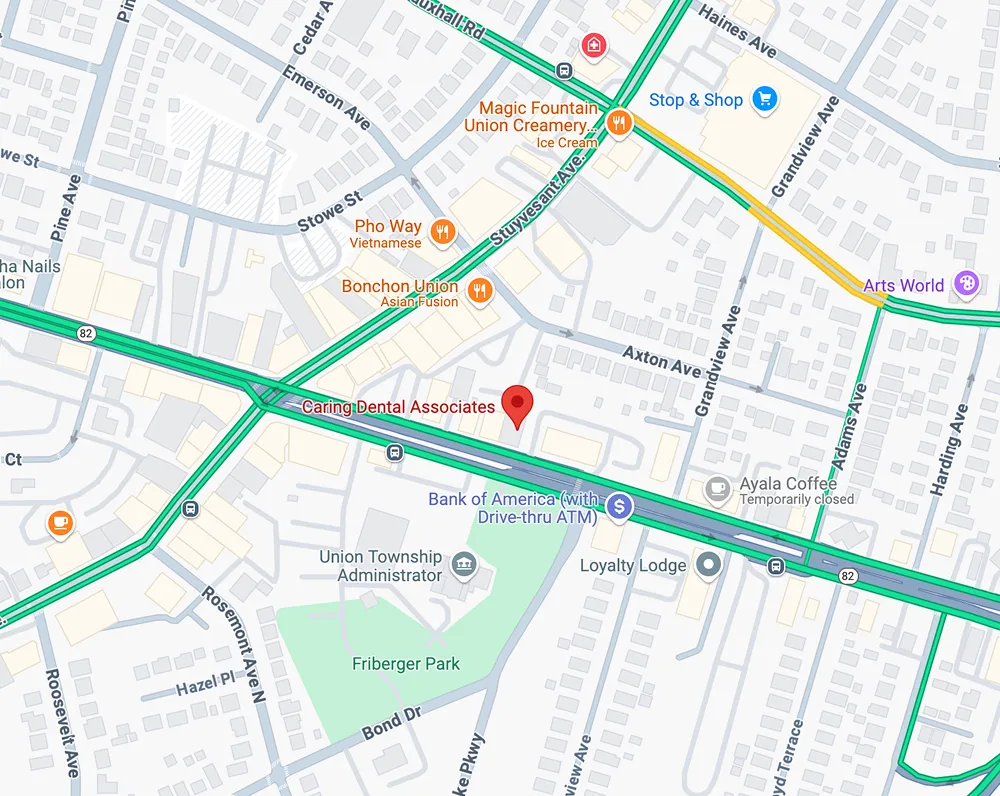
Union
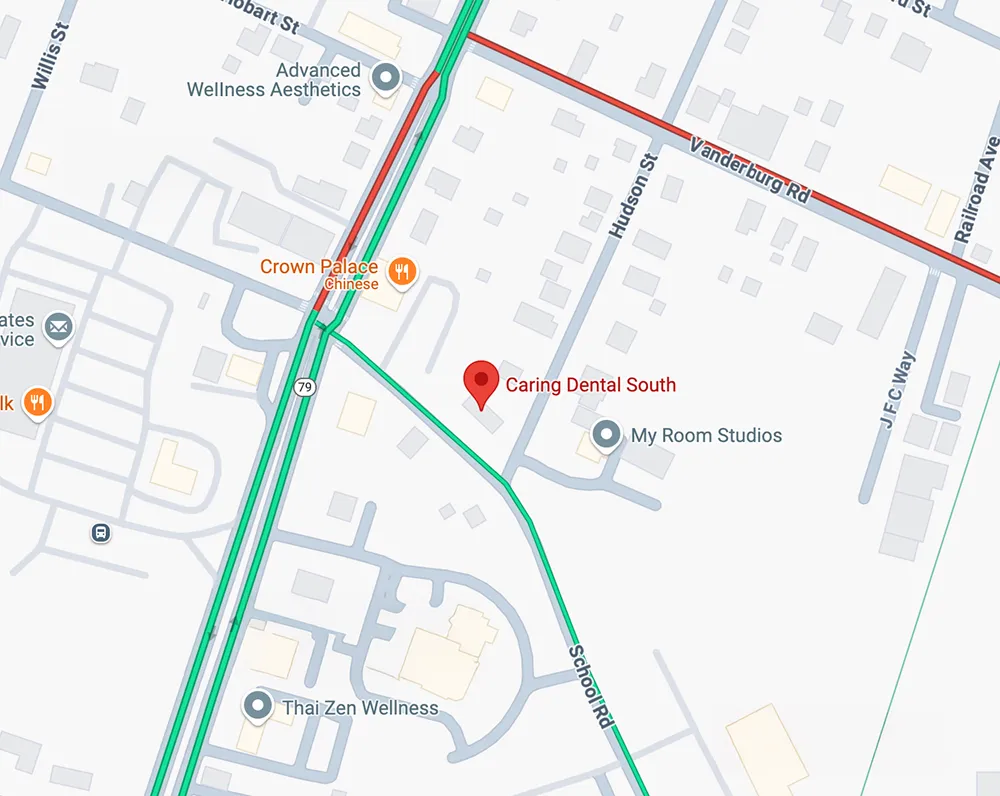
Marlboro
Union
Phone: (908) 686-0302
Office Hours
Monday: 10:00 a.m. - 7:00 p.m.
Tuesday: 10:00 a.m. - 7:00 p.m.
Wednesday: 10:00 a.m. - 7:00 p.m.
Thursday: 10:00 a.m. - 7:00 p.m.
Friday: 10:00 a.m. - 5:00 p.m.
Saturday: Closed
Sunday: Closed


Marlboro
Phone: (732) 462-5700
Office Hours
Monday: 10:00 a.m. - 7:00 p.m.
Tuesday: Closed
Wednesday: Closed
Thursday: 10:00 a.m. - 6:00 p.m.
Friday: Closed
Saturday: 10:00 a.m. - 2:00 p.m.
Sunday: Closed
Experience dental care like never before with treatments that keep your teeth stunningly healthy. Caring Dental is here to make every smile shine brighter.