

When Do You Actually Need Gum Surgery Instead?
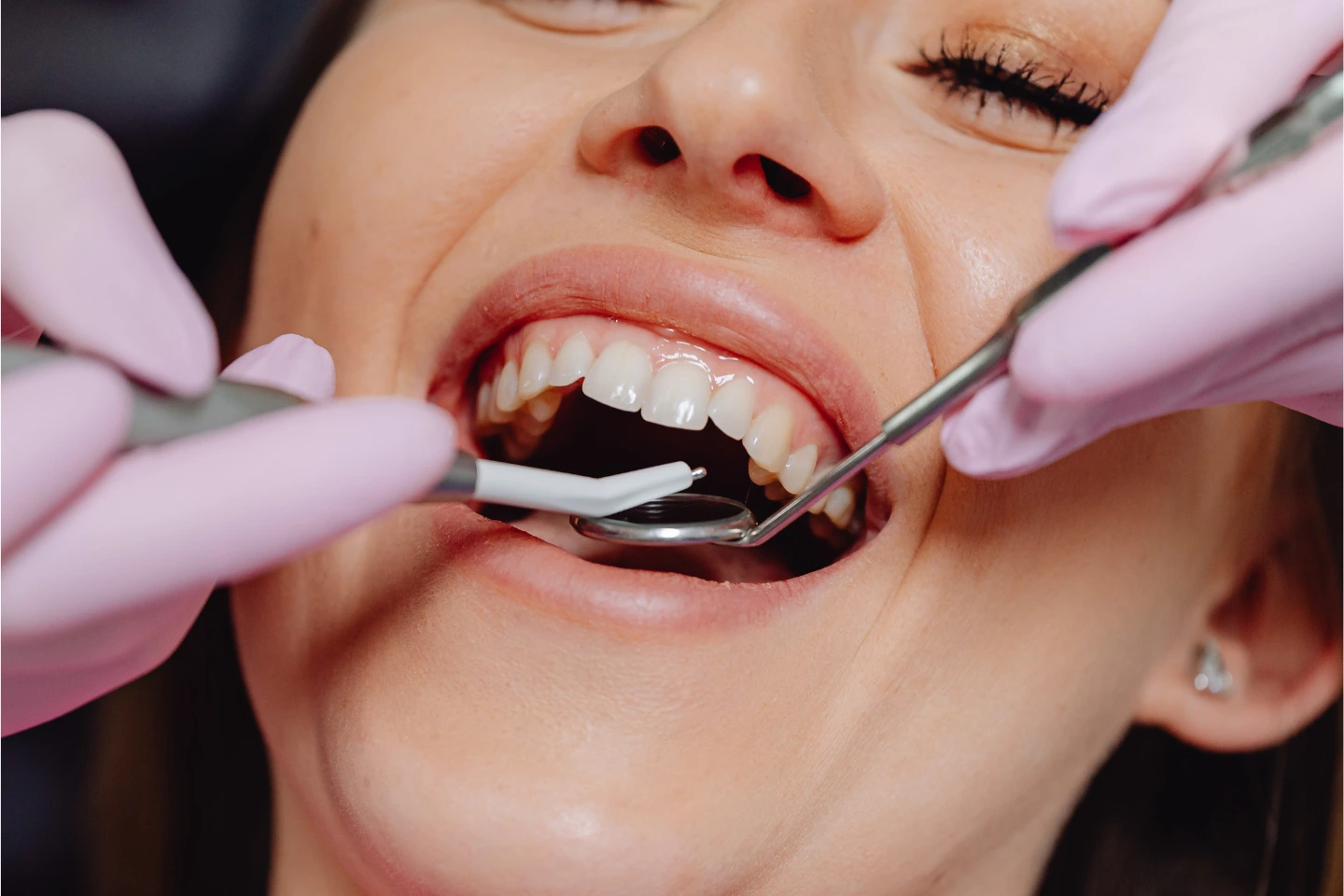
Hearing the word surgery during a dental visit can make anyone freeze. It is completely normal to feel a wave of anxiety when your dentist mentions that your gums might need an operation. Most patients hope that a good brushing routine at home or a thorough deep cleaning at the office will be enough to fix any oral health issue. In many cases, early to moderate gum disease can be completely managed with non-surgical therapies like scaling and root planing.
But what happens when the bacterial infection travels too deep beneath the surface? When does a deep cleaning stop being enough to save your teeth?
At Caring Dental, we know that facing advanced periodontitis can feel overwhelming, but understanding exactly why and when gum surgery becomes necessary can give you back your peace of mind. Surgical intervention is not about jumping to extreme measures; it is a highly predictable, effective way to rescue your teeth and bone structure when non-surgical treatments have reached their biological limits. Let us look at the definitive signs that indicate it is time to step up to surgical care to protect your smile.
The Transition from Non-Surgical to Surgical Care
To understand why surgery becomes the right move, it helps to look at the boundaries of non-surgical treatments. A standard deep cleaning, known as scaling and root planing, is always the first line of defense against gum disease. During this procedure, a dental professional uses specialized tools to clean out plaque and tartar from beneath your gumline and smooth out your tooth roots. For many patients, this reset allows the gums to heal, reduce swelling, and tighten around the teeth once again.
However, non-surgical methods rely entirely on the dentist or hygienist being able to reach the bacterial buildup without physically opening the gum tissue. Standard dental instruments can only reach a certain distance down the side of a tooth before they are blocked by the natural shape of your anatomy.
If the bacterial infection has traveled deep into the jawbone structure, those tools simply cannot see or reach the source of the trouble. When the space between your tooth and gum becomes a deep, dark cavern, a non-surgical approach can no longer clear out the hardened tartar. At that point, leaving the infection alone will guarantee eventual tooth loss, making surgery the only safe and logical way forward.
Clear Signs You Actually Need Gum Surgery
How do you know if your mouth has passed the point where a deep cleaning can help? Dentists use specific diagnostic criteria during a comprehensive periodontal examination to determine when surgery is required.
Deep Periodontal Pockets That Do Not Heal
During a dental checkup, your provider uses a tiny instrument called a periodontal probe to measure the space between your teeth and gums, which are known as periodontal pockets. Healthy gums sit snugly against the teeth with a pocket depth of one to three millimeters. A deep cleaning can usually heal and close pockets that measure four or five millimeters deep.
However, if your measurements are six millimeters or deeper, the pocket has become too deep to clean blindly. If these deep pockets remain open and infected even after you have completed a round of scaling and root planing, it means bacteria are trapped at the very bottom. Surgery is required to physically reduce the pocket size so that you can actually clean the area at home.
Severe Bone Loss and Loose Teeth
Advanced periodontitis does not just cause your gums to bleed; it actively destroys the living jawbone that keeps your teeth locked in place. When bacteria live under the gums for a long time, your body’s immune system creates a chronic inflammatory response that mistakenly dissolves your own bone cells.
If your digital X-rays reveal that the infection has left massive craters or defects in your jawbone, your teeth will start to feel loose, wiggle, or shift out of place when you chew. When bone loss reaches this critical level, non-surgical tools cannot rebuild the foundation. Surgery is necessary to clean the bone directly and apply materials to stop your teeth from falling out.
Persistent Gum Infections and Abscesses
If you regularly experience painful, pus-filled swellings on your gums, known as periodontal abscesses, your body is fighting a severe, deep-seated infection. When these painful bumps keep coming back even after you take antibiotics or undergo deep cleanings, it is a clear sign that a physical reservoir of bacteria is locked away deep around the root of the tooth. Surgery allows your dental team to gain access to the root, clear out the source of the recurring infection, and save the surrounding tissues from further destruction.
Types of Gum Surgery Explained Simply
The word surgery sounds intense, but modern periodontal procedures are highly targeted, precise treatments designed to solve specific structural problems. Here are the most common types of surgery your provider might recommend.
Pocket Reduction Surgery (Flap Surgery)
This is the standard surgical treatment used to treat advanced gum disease. During flap surgery, a specialist gently separates the gum tissue away from the teeth for a brief period. This gives them a direct, clear view of the tooth roots and the underlying jawbone.
They can completely scrape away the deepest tartar deposits and eliminate harmful bacteria that were hidden from view. After the area is completely sanitized, the gums are sutured back into place closer to the bone line. This eliminates the deep pocket, making your teeth much easier to brush and floss effectively.
Bone Grafting and Tissue Regeneration
If advanced periodontitis has already eaten away parts of your jawbone, a dentist can use bone grafting to repair the structural damage. During this procedure, small pieces of natural or synthetic bone material are packed into the areas of bone loss.
This material acts like a temporary scaffold, encouraging your body to naturally grow new, healthy bone to restabilize your loose teeth. A technique called guided tissue regeneration might also be used, where a small protective membrane is placed over the graft to keep fast-growing gum tissue from crowding out the slower-growing bone cells while they heal.
Gum Graft Surgery for Severe Recession
Sometimes, the main issue is not deep pockets, but a severe loss of gum tissue on the outside of your teeth. When gum disease or aggressive brushing causes your gums to recede significantly, it exposes the sensitive roots of your teeth.
Exposed roots can cause sharp pain when you consume hot or cold foods and leave your teeth highly vulnerable to root cavities. A gum graft takes a thin piece of healthy tissue, usually from the roof of your mouth or a specialized donor source, and attaches it to the recessed area to cover and protect the exposed root structure.
What to Expect During and After Your Procedure
It is completely natural to worry about comfort during a surgical visit. Thanks to advanced local anesthetics and modern sedation options, you will not feel any pain while the procedure is being performed. Your mouth will be completely numb, and you can choose options to help you relax or sleep through the entire appointment.
After the surgery, your body will need a week or two to complete the initial healing phase. You might experience some mild swelling, bruising, and minor bleeding for the first few days. Your dental team will provide detailed instructions on how to care for your mouth, which usually includes eating a soft-food diet, avoiding hot liquids, and using a special prescription mouthwash instead of brushing the surgical site directly. Most patients can return to work or their normal daily routine within a day or two.
Protect Your Smile and Health with Caring Dental
Taking care of your teeth and gums is a lifelong commitment, and sometimes that means taking advanced steps to protect your health. If you are struggling with bleeding gums, persistent bad breath, or have been told you might have advanced periodontitis, you do not have to face it alone.
At Caring Dental, our dedicated team is here to guide you through every step of your care with empathy, clarity, and exceptional clinical skill. We prioritize your comfort and long-term wellness above all else. Contact our office today to schedule a comprehensive evaluation and let us help you keep your smile strong, healthy, and beautiful for life.
Frequently Asked Questions About Gum Surgery
Can I just ignore my gum disease instead of getting surgery?
Ignoring advanced periodontitis is highly risky. The infection will continue to destroy your jawbone, eventually leading to widespread tooth loss. Furthermore, the chronic inflammation can impact your overall health, worsening conditions like diabetes, stroke, and heart disease. Treating the issue is vital for your entire body.
How long does it take to recover from gum surgery?
The initial healing phase typically takes about seven to fourteen days, which is when your dentist will remove any non-dissolvable stitches. However, the deeper bone and tissue structures will continue to rebuild and strengthen over several months.
Will my insurance cover the cost of gum surgery?
Because periodontal surgery is a medical necessity to treat an active infection and prevent tooth loss, most dental insurance plans provide partial or substantial coverage for the procedure. The administrative team at your dental office can help you review your benefits.
How can I prevent needing gum surgery again in the future?
Once your gums have healed, maintaining a strict oral hygiene routine is essential. You must brush twice a day, floss daily, and attend regular periodontal maintenance cleanings every three to four months instead of standard six-month cleanings to ensure bacteria do not build up again.
Our Location
Our office is conveniently located to offer you easy access to a wide range of dental services. Stop by today to experience exceptional service in a comfortable setting.
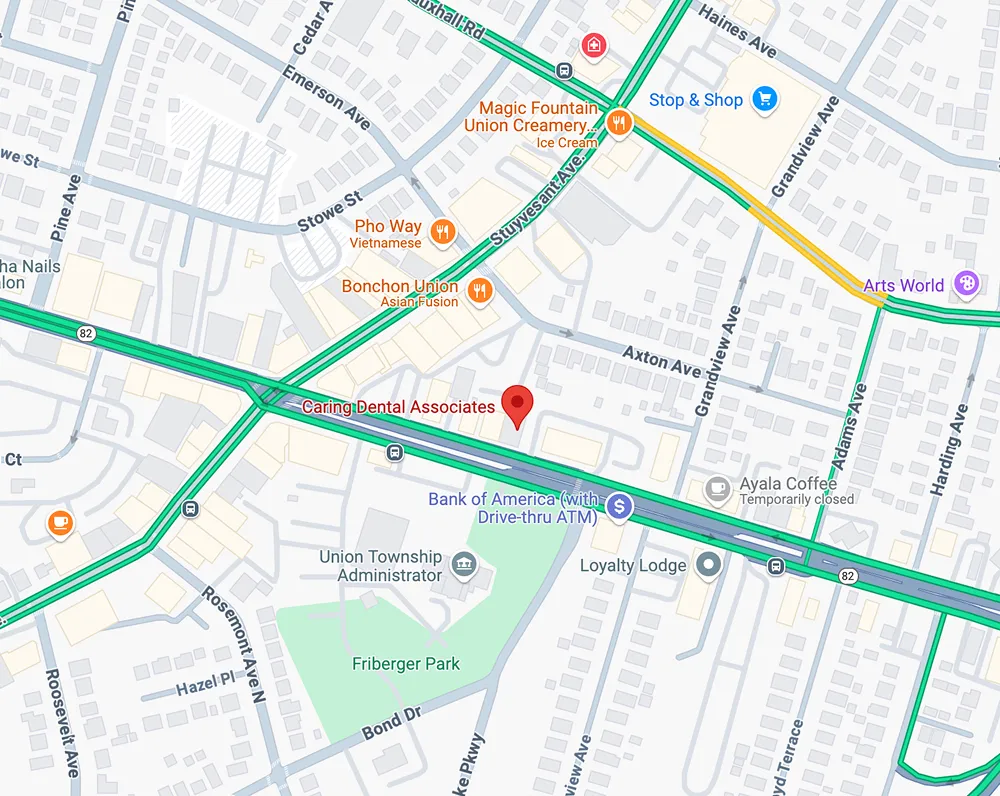
Union
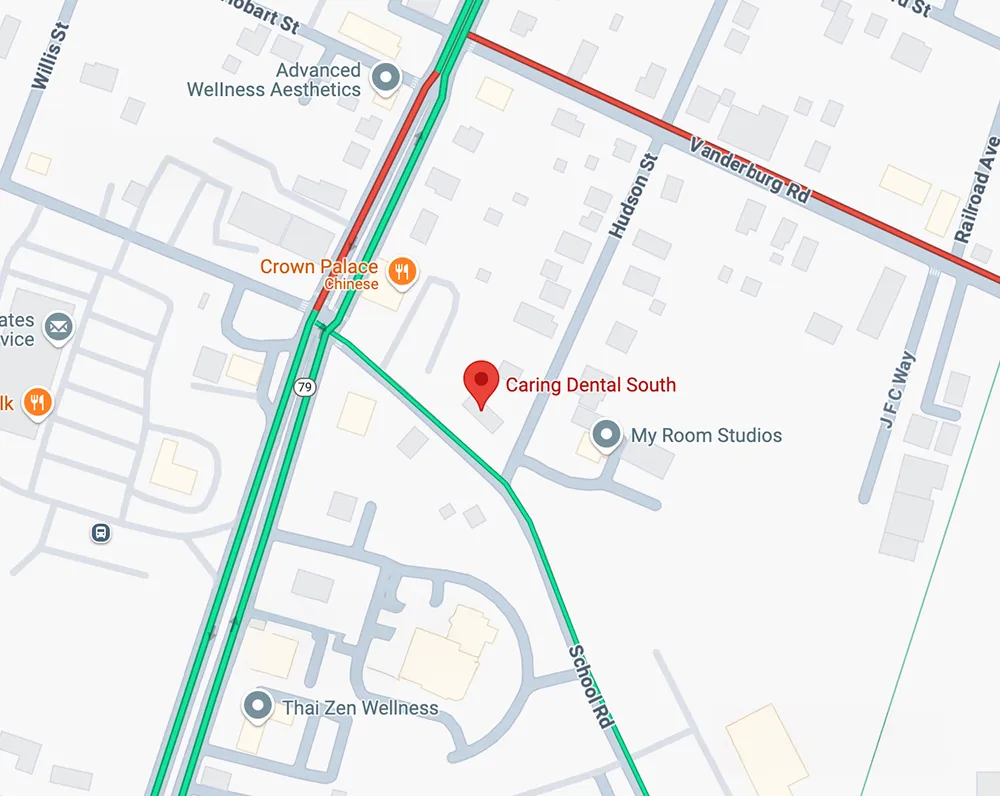
Marlboro
Union
Phone: (908) 686-0302
Office Hours
Monday: 10:00 a.m. - 7:00 p.m.
Tuesday: 10:00 a.m. - 7:00 p.m.
Wednesday: 10:00 a.m. - 7:00 p.m.
Thursday: 10:00 a.m. - 7:00 p.m.
Friday: 10:00 a.m. - 5:00 p.m.
Saturday: Closed
Sunday: Closed


Marlboro
Phone: (732) 462-5700
Office Hours
Monday: 10:00 a.m. - 7:00 p.m.
Tuesday: Closed
Wednesday: Closed
Thursday: 10:00 a.m. - 6:00 p.m.
Friday: Closed
Saturday: 10:00 a.m. - 2:00 p.m.
Sunday: Closed
Experience dental care like never before with treatments that keep your teeth stunningly healthy. Caring Dental is here to make every smile shine brighter.